Start with the brief
Starting With the Application and Fixture Requirements
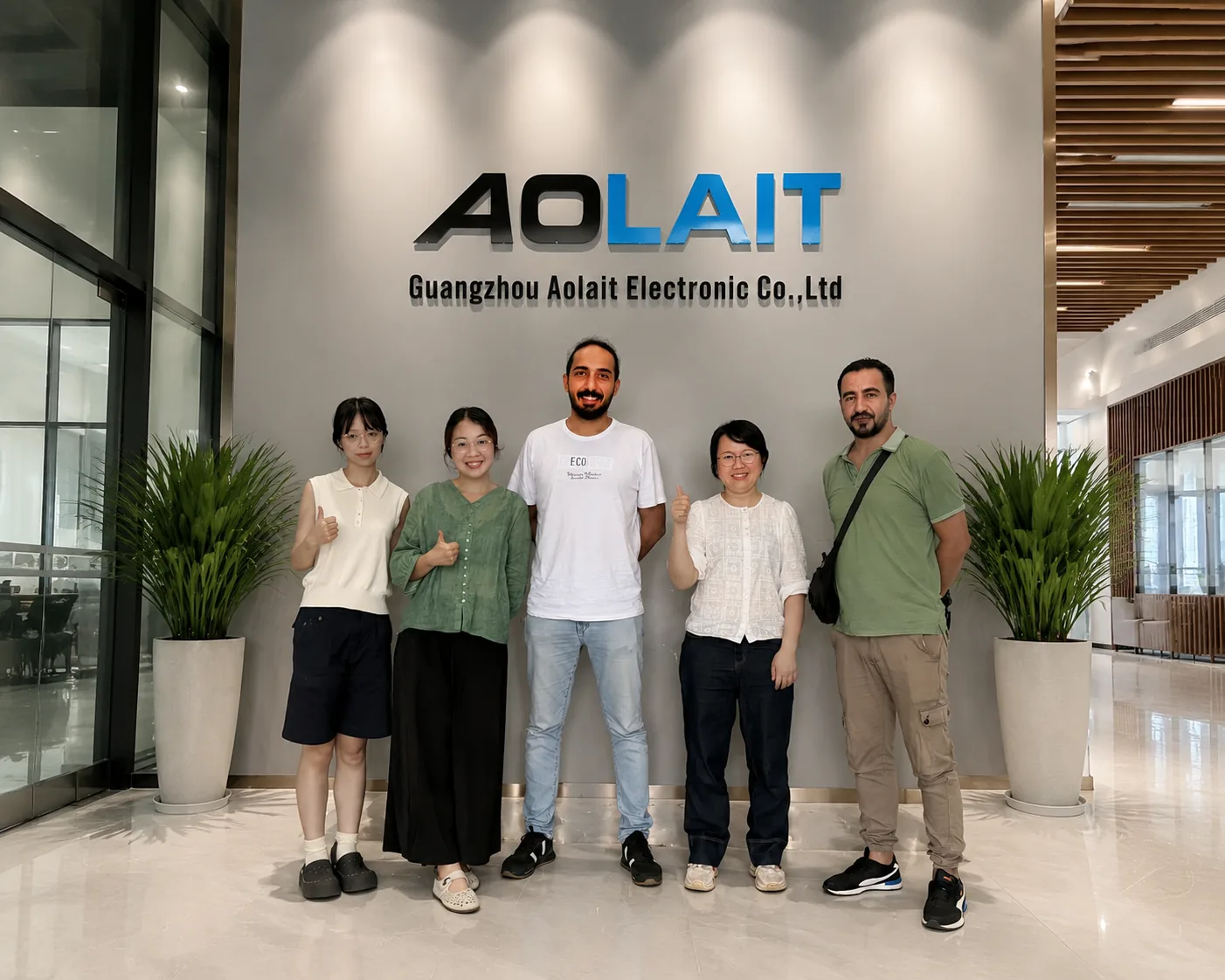
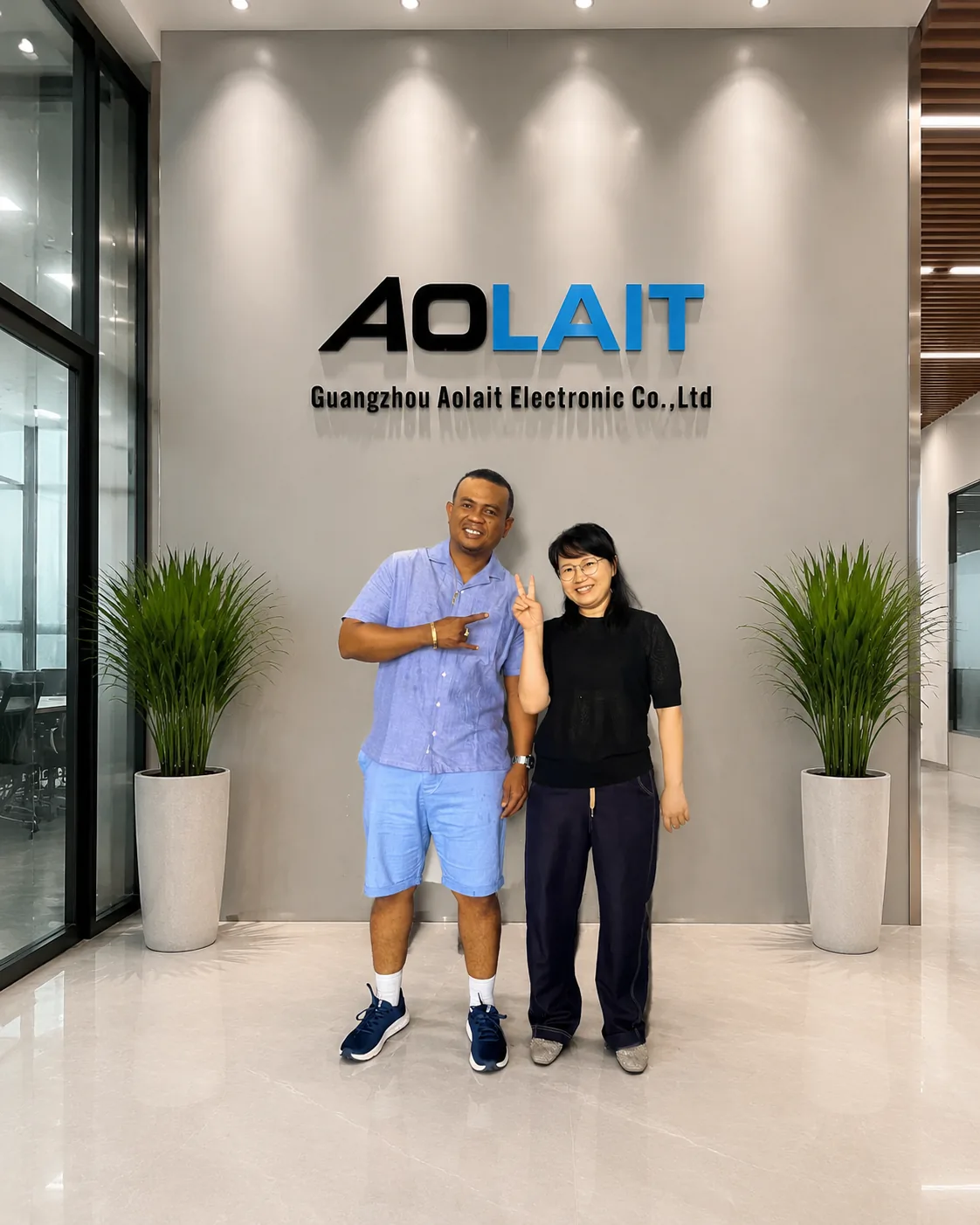
Professional teams rarely visit our Guangzhou manufacturing base to judge a fixture only by its housing or a short color demonstration.
A useful visit begins with the intended job. We ask where the fixtures will operate, how they will be rigged and transported, which control system the team uses, and which visual tasks matter most. A theatre may prioritize smooth fades and color quality. A rental company may place more weight on handling, fast setup and a consistent console workflow. A distributor may need a range that covers several common project types without treating every model as interchangeable.
We then turn the application into a working fixture brief. The discussion can include indoor or outdoor conditions, wash coverage, motorized zoom, Bee Eye effects, Wash FX architecture, emitter and color system, beam range, pixel or zone control, DMX personalities, power and signal connections, installation position, transport protection and service access. When an OEM or ODM program is involved, we also record the intended brand, labeling, firmware, documentation and packing scope.
- Application, venue conditions and expected operating pattern
- Fixture family, optical behavior and color system
- DMX footprint, console workflow and any pixel-control needs
- Power, connectors, rigging, transport and maintenance planning
- Brand, labeling, packaging and technical-document requirements
Compare by task
Comparing the Right LED Wash Moving Head Families
A productive comparison starts with the fixture architecture that fits the application, then moves to model-level details.
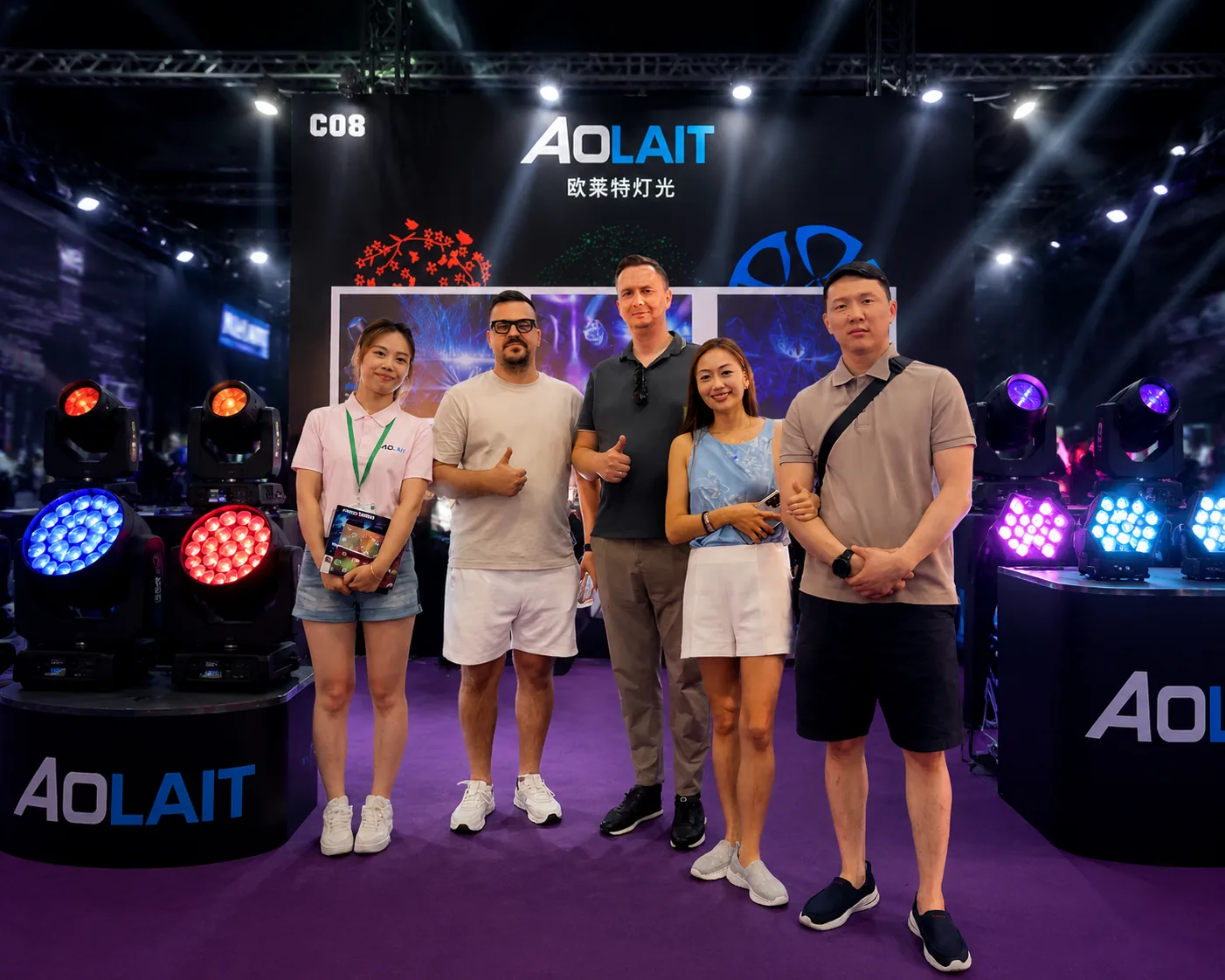
Visitors can compare LED wash moving head models across our complete range, while the focused family pages make the first shortlist easier. We explain what each platform is designed to do and demonstrate only the functions present on the selected fixture. LED count, housing size or a similar front lens do not mean that two products share the same optics, movement, effects, protection or control structure.
| Family | Useful comparison focus | Explore |
|---|---|---|
| Zoom Wash | Coverage, zoom behavior, color mixing, dimming and everyday wash control | Explore Zoom Wash moving heads |
| Bee Eye | Multi-cell optics, rotating lens effects, pixel or zone programming and DMX footprint | Compare Bee Eye moving heads |
| Wash FX | Linear, multi-head and hybrid physical architectures for motion and layered effects | See Wash FX moving heads |
| All LED Wash Models | A broad shortlist across product families before a model-level discussion | View all LED wash models |
The comparison becomes more useful when the visiting team brings a console plan, venue drawing, target rig position, preferred color system or a reference fixture they already know. We can then discuss how the available Aolait families approach the same task and identify which models deserve a live demonstration or sample conversation.
Look inside the product
Examining Product Construction and Engineering
The most valuable part of an in-person product session is often the conversation around how the fixture is built and controlled.
We walk through the optical path, LED and lens arrangement, head and yoke structure, pan and tilt system, heat-management layout, enclosure details, power and signal interfaces, display menu and service access. The depth of the discussion depends on the selected model and the visitor's role. A programmer may focus on personalities and pixel order, while an engineer may spend more time on mechanical access, cooling paths and connector layout.
Control deserves its own session. We can compare basic and extended DMX modes, identify the functions that expand channel count, and connect the selected mode to the planned console and universe layout. Our DMX channel planning guide helps teams prepare these questions before the visit so the live discussion can focus on the intended show workflow.
We also explain how model development brings optical, mechanical, electronic and firmware work together. A change to an emitter arrangement, lens system, movement effect or personality can affect several other parts of the product. Keeping those relationships visible helps the visiting team distinguish a standard product selection from a deeper development request.
From parts to release
Seeing Manufacturing and Inspection in Practice
A factory walk connects the product discussion to the work of assembling, powering, checking and preparing moving heads.
Depending on the production schedule and the products in the factory, visitors may see component and incoming checks, assembly work, cable and connector fitting, power-on checks, functional operation, movement and control testing, aging operation, appearance inspection and packing preparation. We describe the purpose of each visible step without turning a single photograph or one visit into a production-capacity claim.
The practical value comes from connecting the check to the approved configuration. We look at model identity, fixture condition, startup and reset, light output behavior, dimming and color functions, pan and tilt, zoom or focus when fitted, DMX response, display operation, connections and included accessories. Before packing, the team can also inspect labeling, appearance, cables, brackets, documents and the planned carton or case arrangement.
Teams preparing their own acceptance plan can use our stage lighting quality control checklist and the guide to LED moving head burn-in and aging tests. These articles help turn general expectations into observable checks, records and clear responsibilities.
Define the development scope
Discussing OEM and ODM Requirements
A visit creates a shared working session for product, engineering, brand and packing requirements.
We separate standard choices from changes that require development work. A project can include brand marks, model labels, housing or graphic details, emitter and color configuration, DMX personality, firmware behavior, accessories, packaging and technical documents. Each item is recorded on its own so the sample and production configuration can follow the same scope.
Consistency is as important as the idea itself. The product label, menu name, channel chart, operating document, packing list and carton should describe the same model and configuration. If a feature changes, the related files and test sequence may also need to change. We plan these connections before a sample is treated as the working reference for production communication.
Prepare a useful test
Preparing a Sample or Model Evaluation
A sample conversation moves faster when the team defines what the fixture must demonstrate and how it will be used.
Before we organize a sample or focused model session, we ask for the target model or product type, application, expected quantity range, destination, voltage and plug, indoor or outdoor environment, DMX needs, brand and packing scope, and required technical files. These details help us choose the relevant product configuration and prepare the right commercial and engineering discussion.
- Target model, fixture family or performance task
- Venue, touring, rental, integration or distribution use
- Quantity range, voltage, plug and delivery region
- DMX personalities, console platform and pixel-control needs
- Indoor or outdoor operating conditions
- Logo, label, housing, packing and document requirements
The evaluation plan can include color and dimming, zoom positions, movement, effect layers, noise expectations, camera workflow, control footprint, handling and service access according to the selected product. We set the scope around the actual model rather than promising one fixed test package, minimum quantity or delivery schedule for every configuration.
Turn discussion into action
From Factory Visit to the Next Technical Step
The end of a visit should leave both teams with a clear sequence, not an exaggerated conclusion.
We summarize the models and configurations discussed, organize the technical requirements and identify the next commercial or engineering task. That next task may be a quotation scope, a model demonstration, a sample evaluation, an OEM development conversation or preparation for production communication. The path depends on what the visiting team needs to decide.
A practical five-step handoff
- 01Confirm the model and configuration
Record the selected family, model and the functions that belong in the next discussion.
- 02Organize the technical requirements
Bring application, optical, control, power, connection, environment and handling needs into one brief.
- 03Define the sample or quotation scope
State the quantity range, customization, accessories, packing and destination information.
- 04Prepare the relevant technical files
Align product identification, channel information, operating documents and project requirements.
- 05Move into the chosen next stage
Continue with sample evaluation, OEM or ODM development, quotation or production communication.
Start the conversation
Plan a Visit or Start With a Technical Brief
A visit is most useful when we can prepare the right product families, people and questions in advance.
Start by browsing all Aolait LED wash moving heads, then prepare a stage lighting project brief with the application, product type, quantity range, control needs, destination and any OEM or ODM goals. Our team can use that information to plan a focused discussion before an in-person visit or remote product session.
If you already have a shortlist, include the model names and the functions you want to compare. If you are starting from an application, describe the venue, rig, visual task and operating conditions. Both routes give us a practical starting point for product selection and technical support.
FREQUENTLY ASKED QUESTIONS