OEM & ODM Wash Moving Head Manufacturing From Concept Development to Mass Production
Start your OEM or ODM project with an Aolait Wash moving head platform, application brief and technical requirements. We coordinate optical, mechanical, electronic and firmware engineering through sample approval, production and documentation. Share your target market, quantity and customization needs.
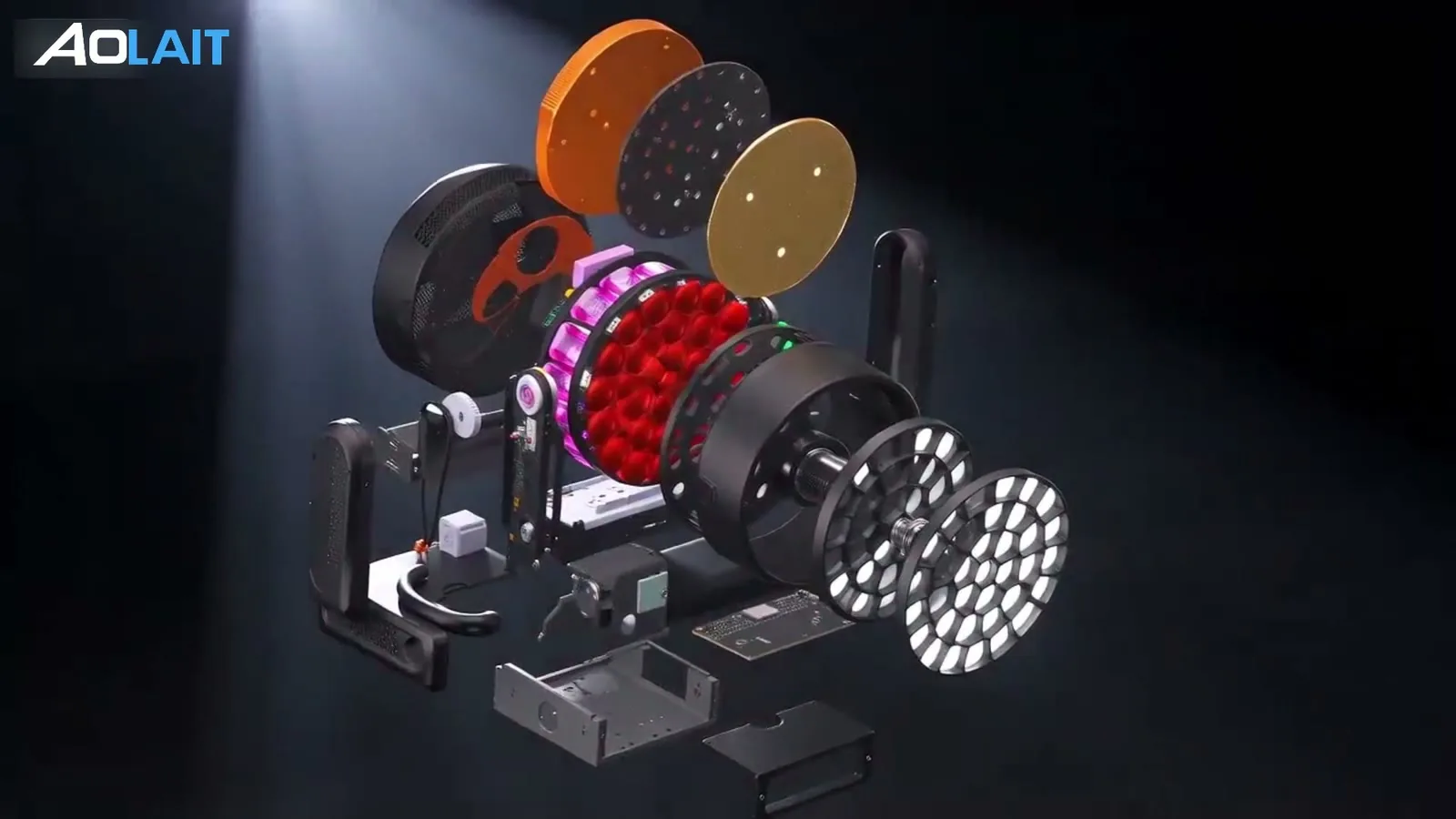
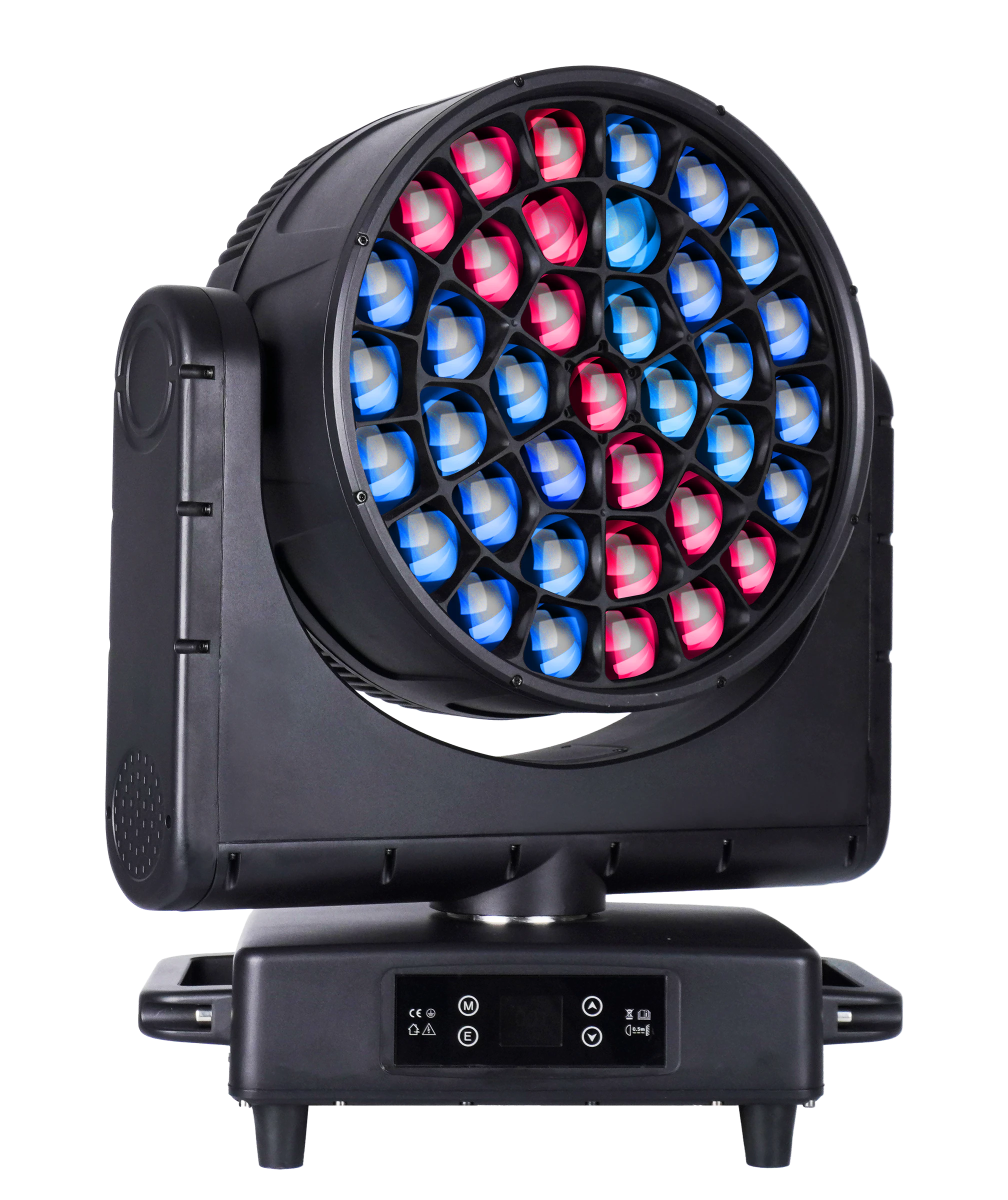
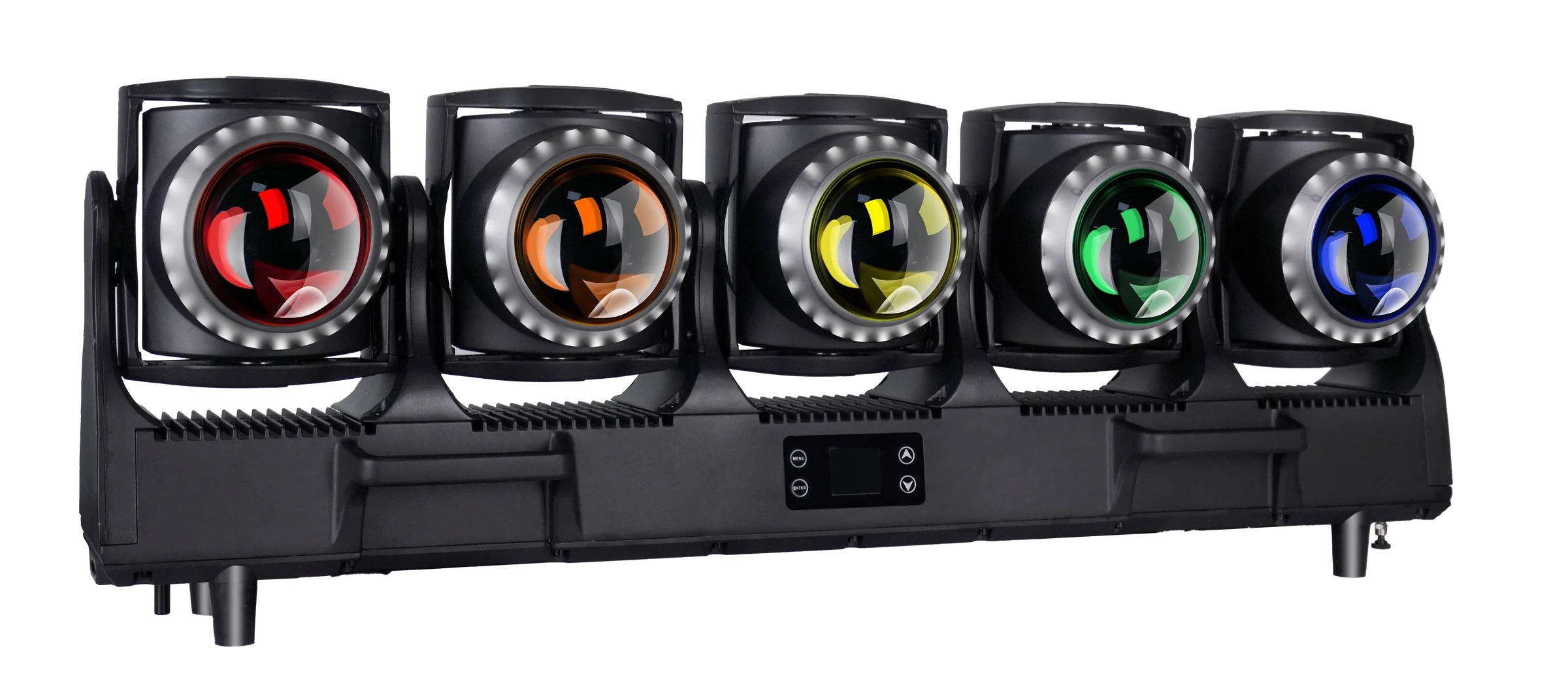
AOLAIT product structure visualization and finished-fixture sequence.
01Requirement Definition
02OEM & ODM Engineering
03Sample Approval
04Powered Fixture Inspection
05Order-specific Export Planning
AOLAIT MANUFACTURING
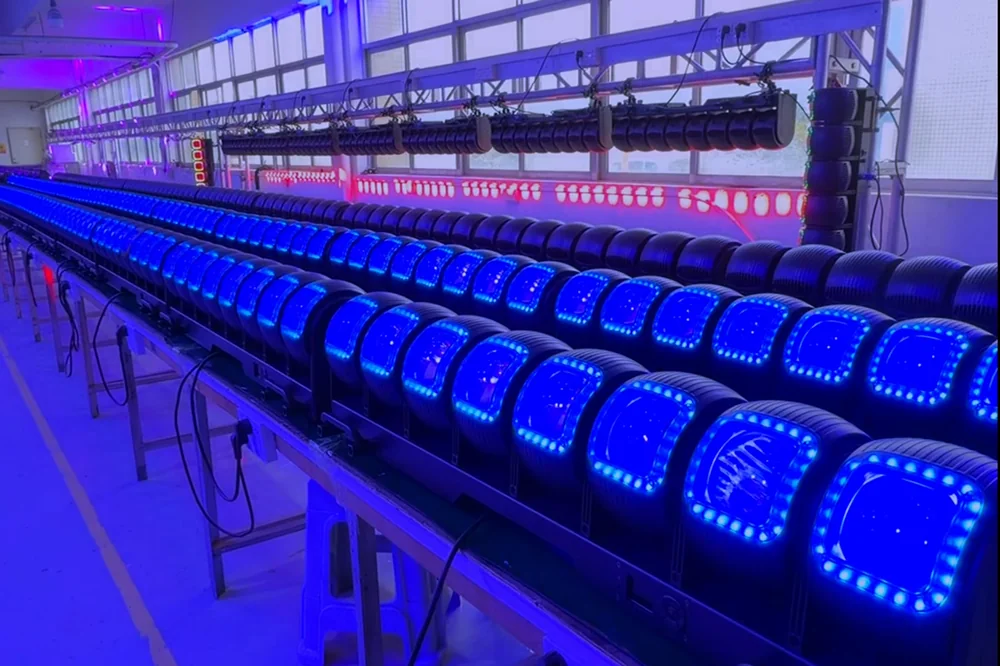
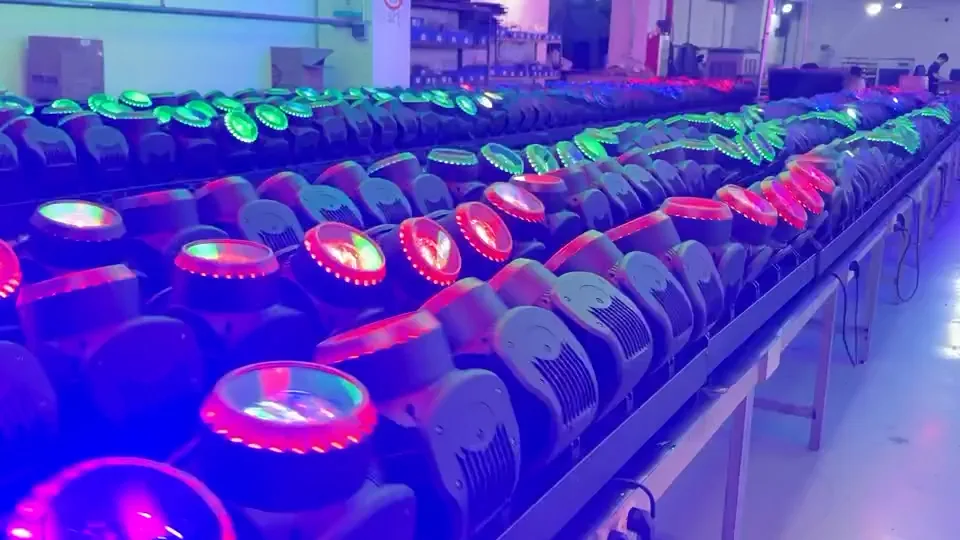
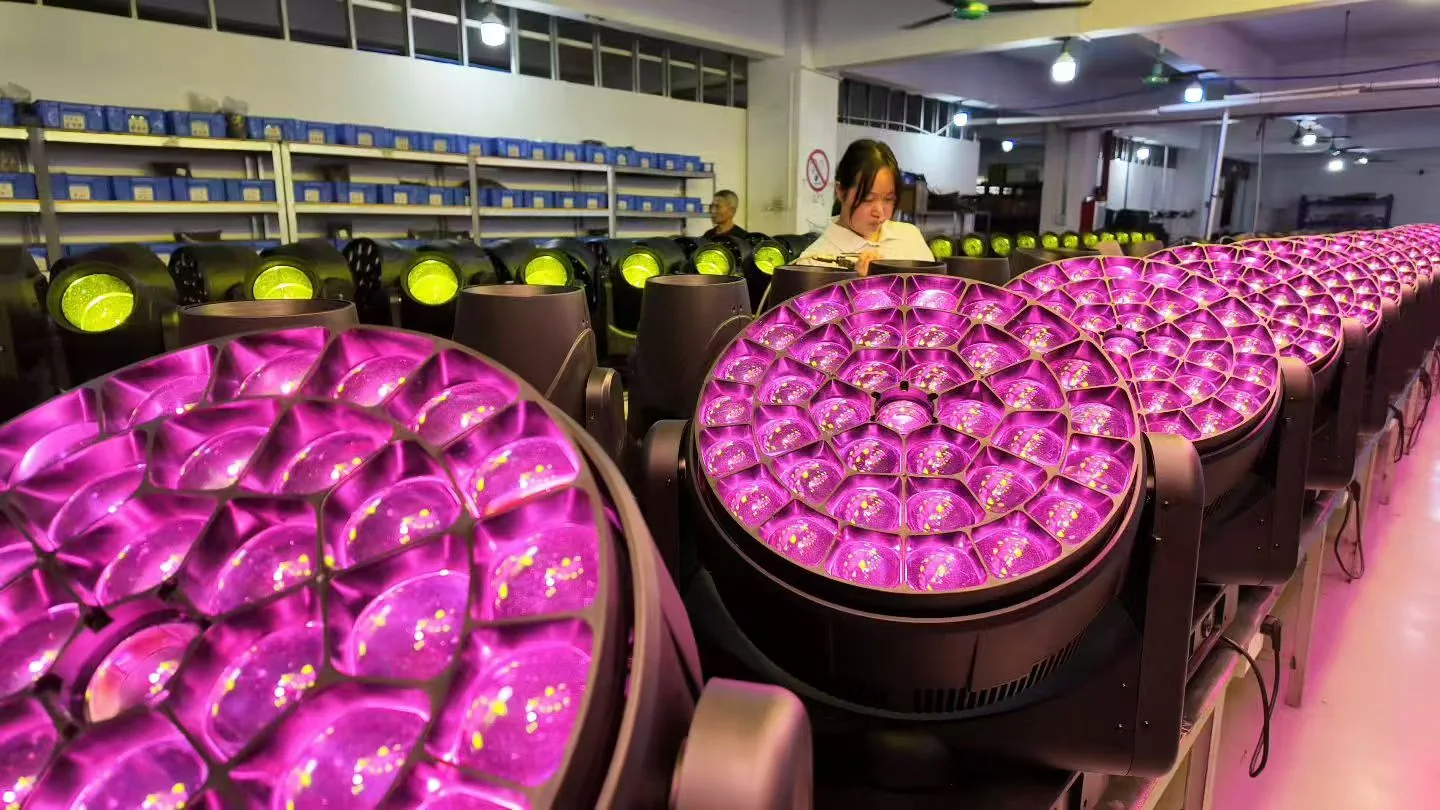
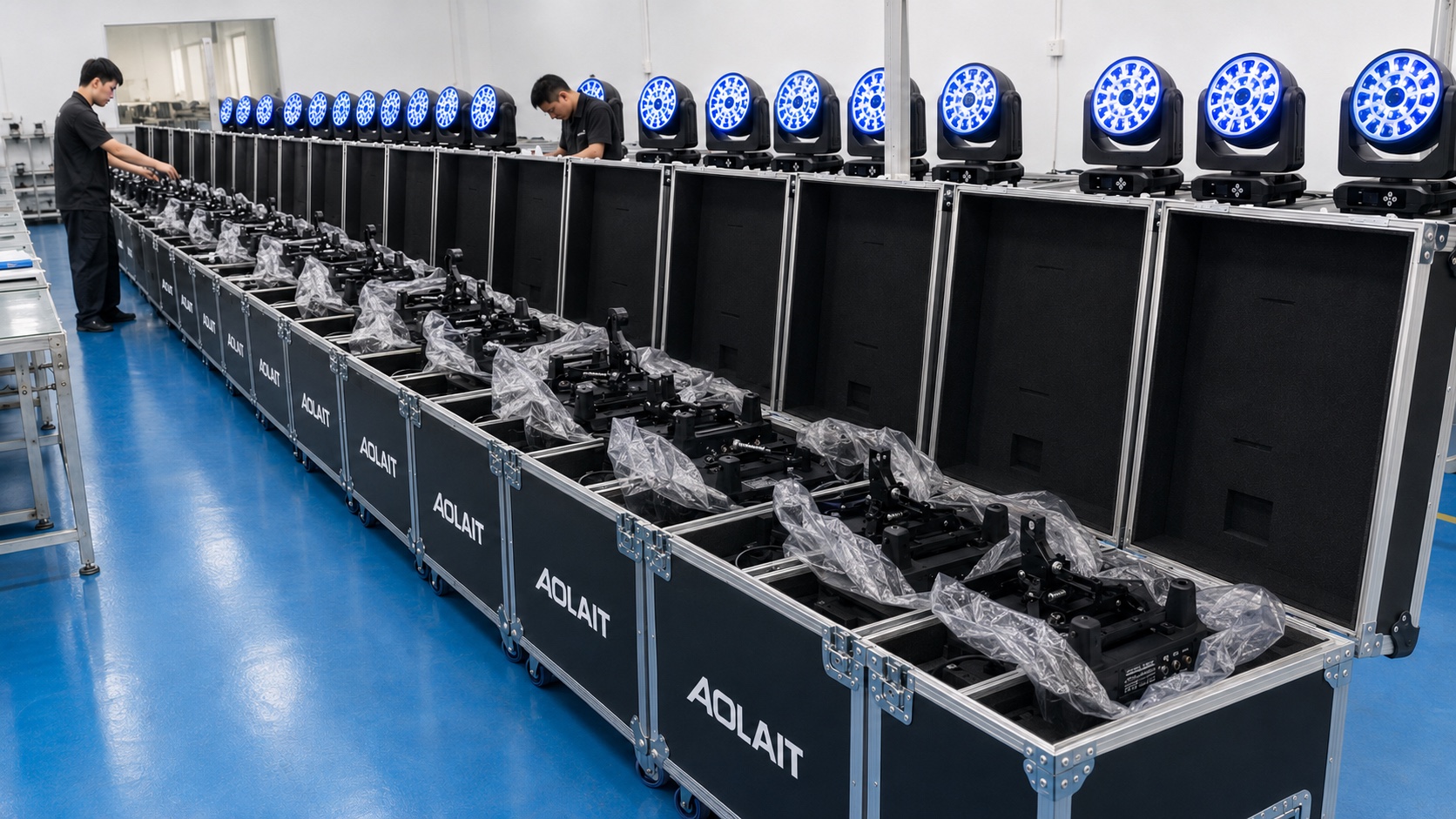
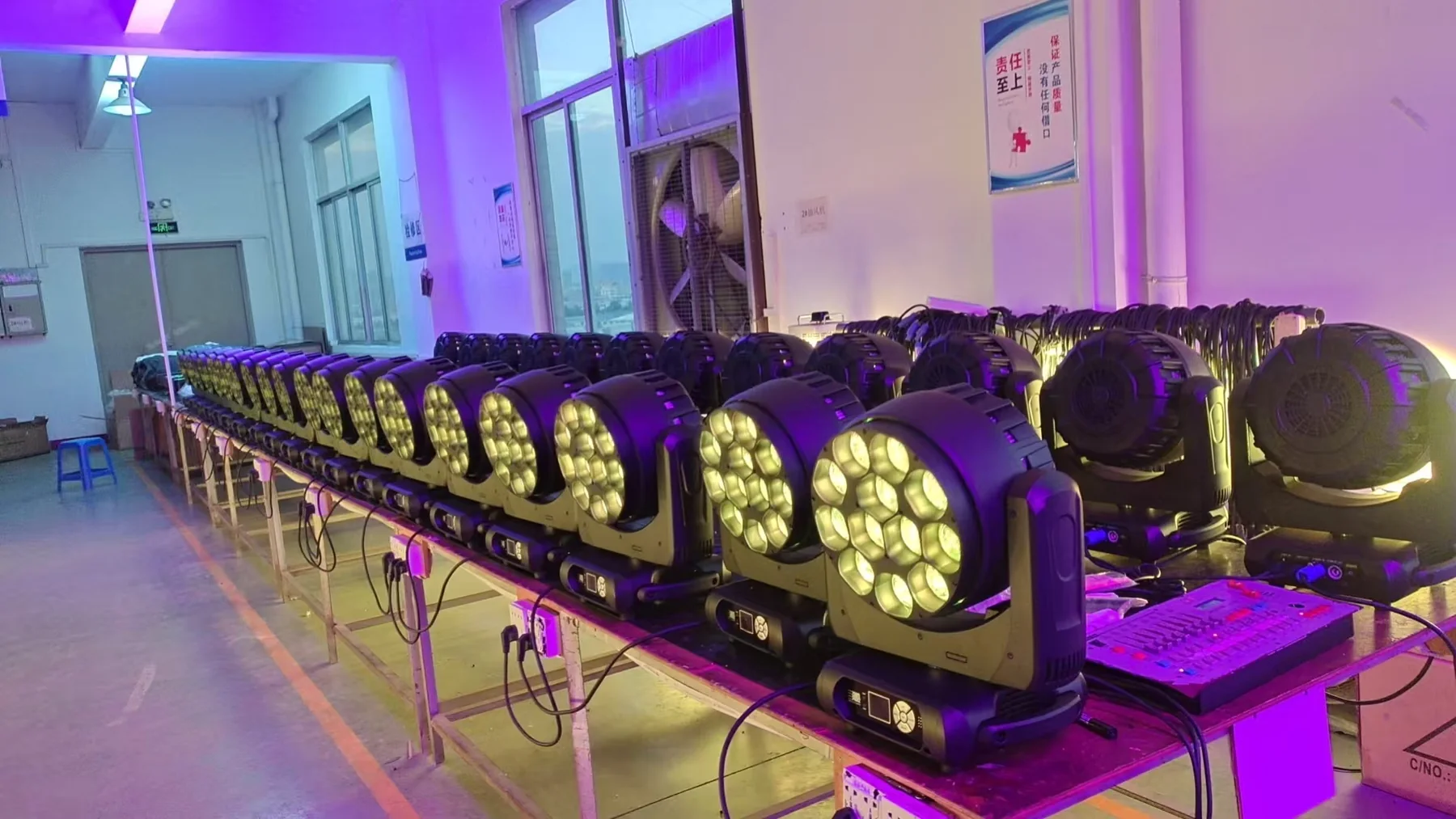
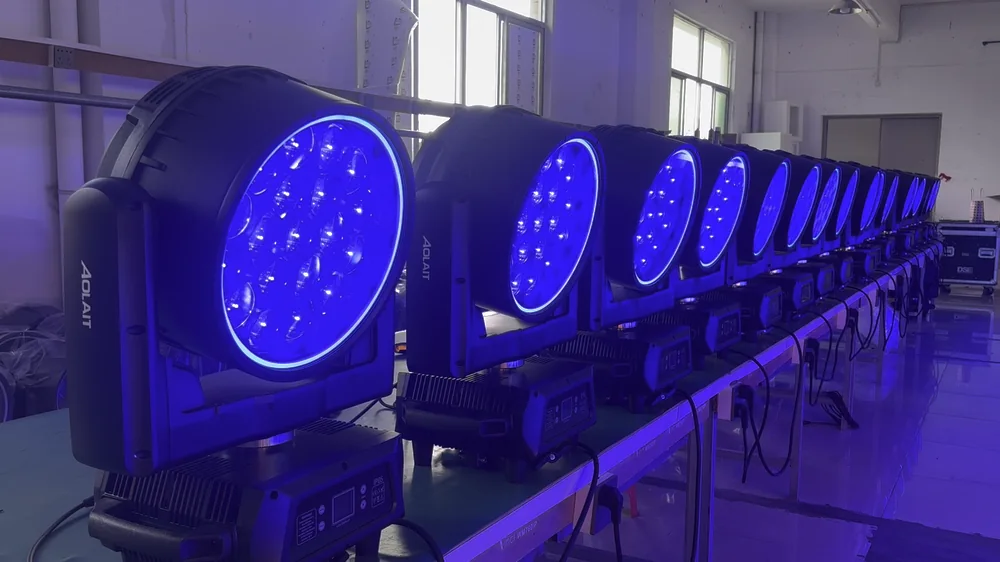
Our production and powered testing.
We coordinate completed moving head fixtures through production, powered operation, batch checks and release inspection at our Guangzhou manufacturing base.
01Powered fixture aging test02Powered fixture function testing03LED WASH MOVING HEAD BATCH INSPECTION · AOLAIT
THE PROJECT REQUIREMENT
Your Market Needs More Than a Standard Fixture
Professional lighting projects often need a platform that fits a particular market, fleet or application—not simply a different logo. The requirement may involve output or LED configuration, zoom, ingress-related design, firmware, channel modes, housing details, documentation, fixture libraries, packaging or application-specific functions.
Different optical or LED direction
Control modes and firmware behavior
Appearance, branding and labels
Documents, profiles and packaging
CUSTOM DEVELOPMENT CAPABILITIES
Build Your Own Stage Lighting Product Line
Six connected workstreams turn a product requirement into a production-ready scope built around the selected platform and project plan.
01
Product Concept Development
We begin with the market, application, target specification, price position and expected volume. The objective is to identify a realistic base platform, development boundary and approval path before engineering work starts.
Market requirement analysis
Application and positioning
Feasibility review
02
Mechanical & Industrial Design
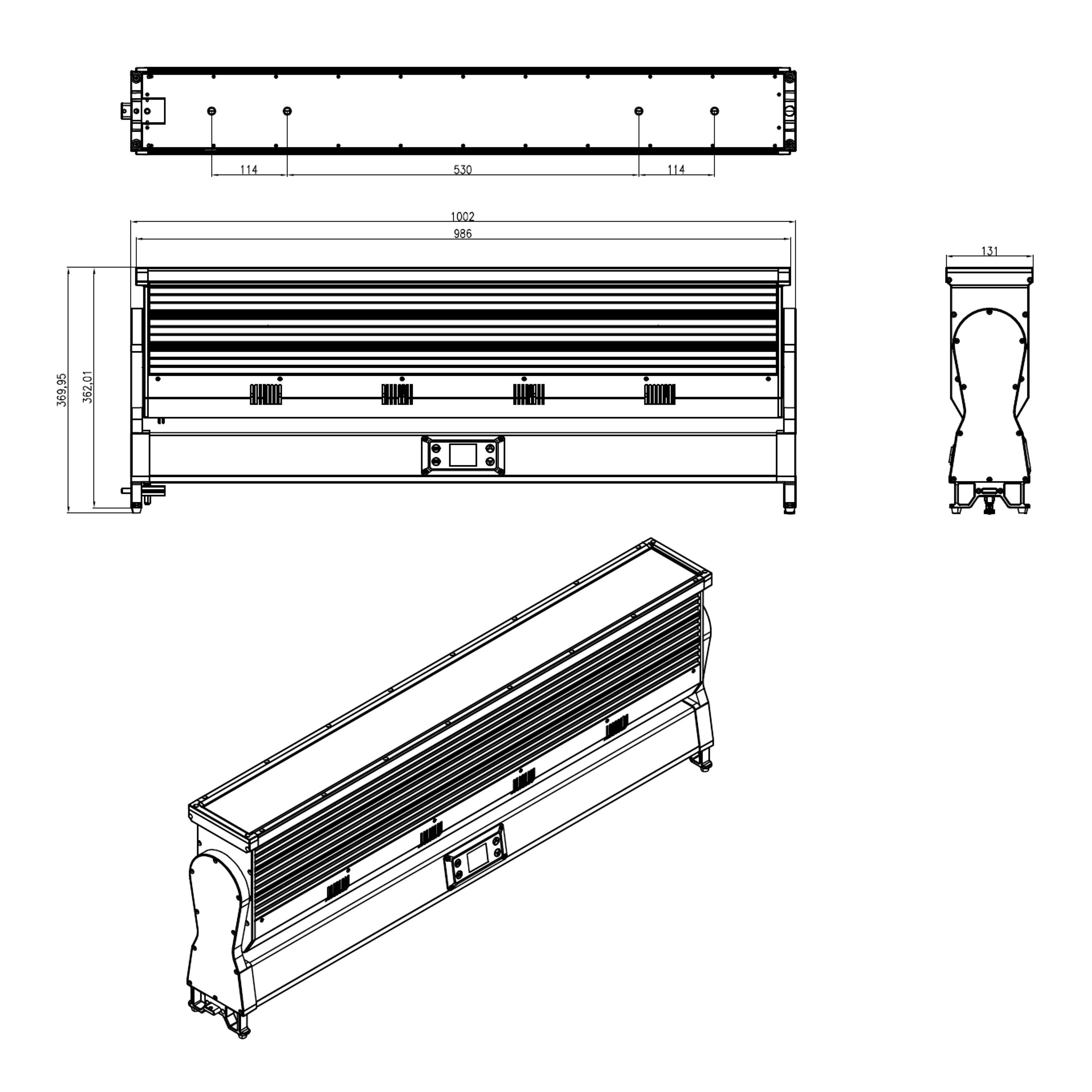
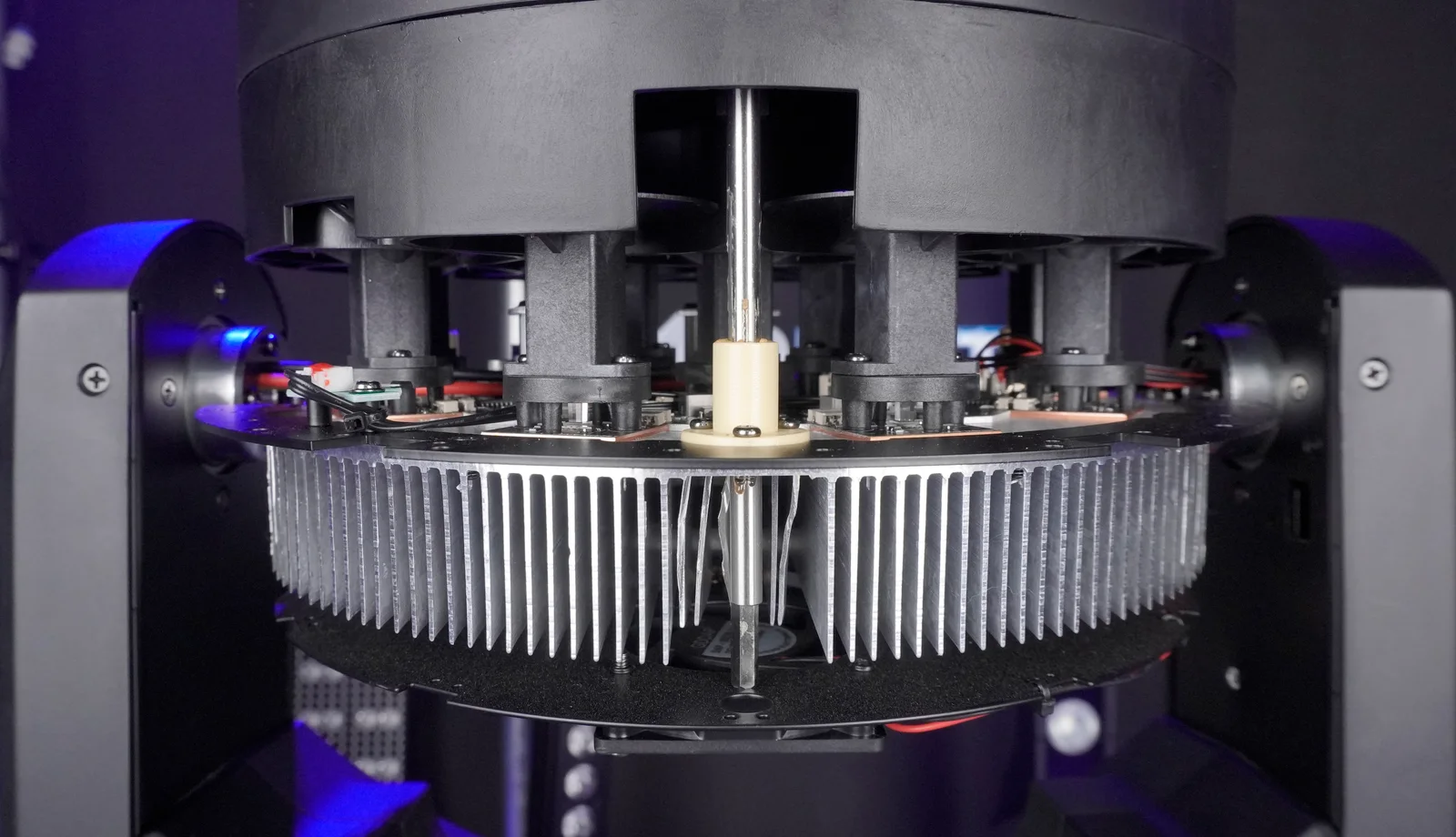
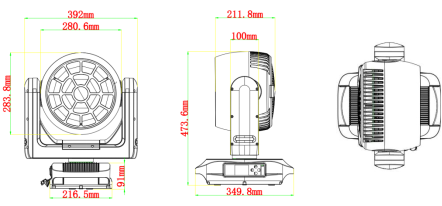
We coordinate housing, thermal management, pan and tilt architecture, mounting, service access and production feasibility for structural development projects. Drawings and tooling scope are organized project by project.
Structure and service access
Thermal and movement review
Production feasibility
03
Optical & Lighting Engineering
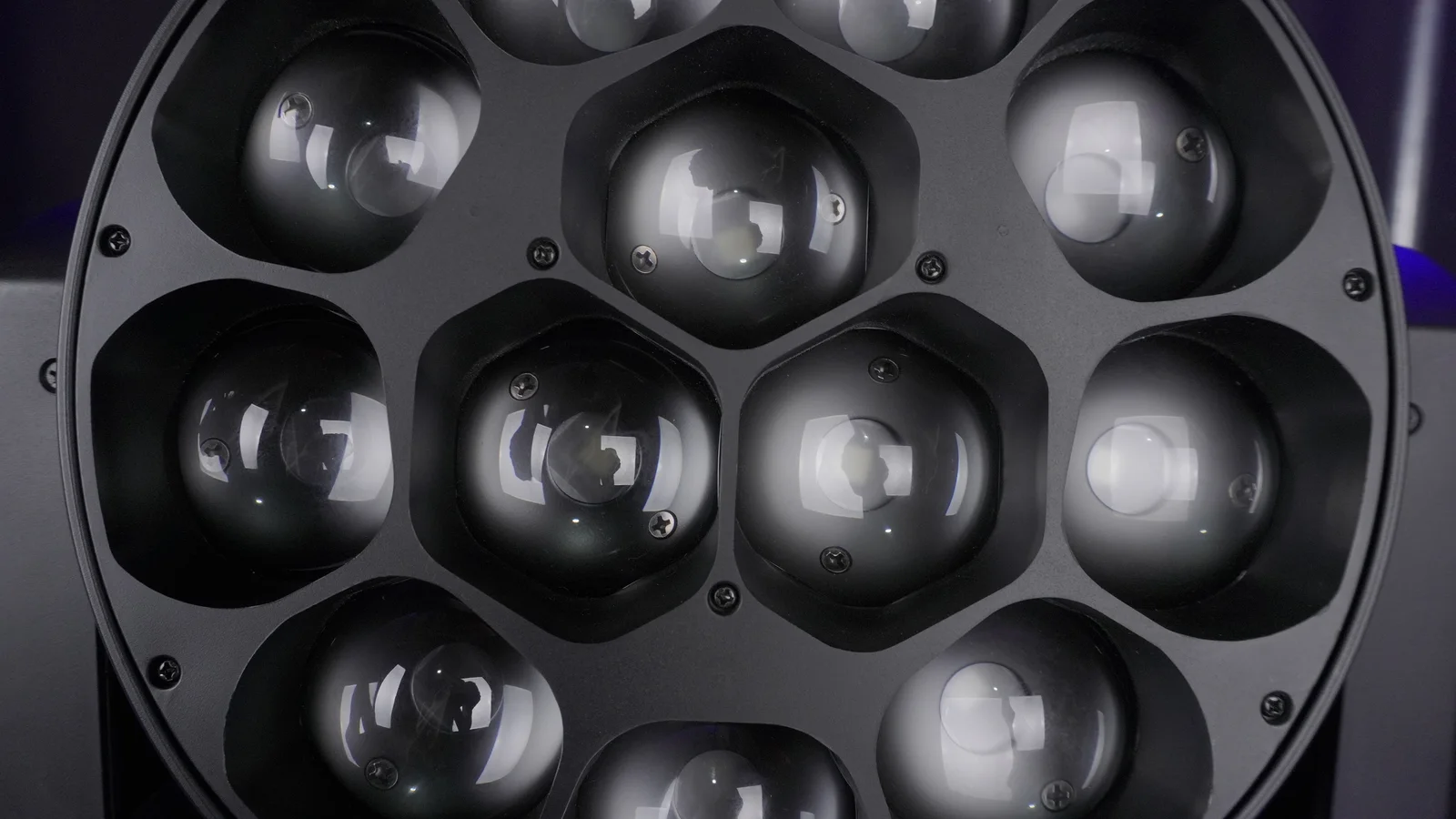
We develop LED and color-system selection, lenses, zoom behavior, pixel segmentation, wash coverage and visible effects around the project brief and approved sample.
LED and color-system direction
Lens, zoom and coverage
Pixel and effect planning
04
Electronics & Firmware
We develop DMX modes, menus, macros, dimmer behavior and fixture-profile requirements for selected projects, with protocol, PCB and firmware work defined in the quotation.
DMX and menu behavior
Macros and dimmer curves
Profile and revision planning
05
Prototype Development
We build samples and prototypes for projects that require structural, optical, firmware or appearance development. Our team checks functions, mechanics, visible output and documentation against the agreed requirements before approval.
Sample build where agreed
Functional and visual review
Customer feedback and sign-off
06
Production & Delivery Readiness
After sample and production approval, we coordinate material preparation, assembly, powered testing, inspection, packing and shipment for the agreed order configuration.
Material and assembly planning
Powered fixture inspection
Packing and export coordination
DEVELOPMENT PROCESS
From Idea to Reality
We organize each project through requirement definition, design, prototypes, sample approval, production preparation, quality control and delivery.
01
Requirement Definition
We define the target application, product type, functions, quantity, destination requirements, price position and project timing.
Customer approval
The project team approves the written scope and priorities.
Project output
Requirement brief and feasibility plan.
02
Optical & Mechanical Development
We coordinate the LED and lens direction, zoom or coverage target, housing, motion architecture, cooling and service access.
Customer approval
The project team approves the engineering direction and drawing plan.
Project output
Optical and mechanical proposal.
03
Electronics & Firmware
We define power, PCB and connection requirements together with DMX modes, menus, dimming, macros and fixture-profile needs.
Customer approval
The project team approves the control functions and interface scope.
Project output
Electronics, firmware and control plan.
04
Prototype Build
We build the agreed sample or engineering prototype and connect the selected optical, mechanical, electronics and firmware work.
Customer approval
The project team reviews the working sample against the requirement brief.
Project output
Prototype and sample test package.
05
Golden-Sample Approval
We check visible output, movement, thermal behavior, control, assembly, appearance and service access on the proposed production reference.
Customer approval
Aolait and the project team approve the golden sample and controlled changes.
Project output
Golden-sample record and change list.
06
Branding & Packaging
We coordinate the product name, logo, labels, manual artwork, carton marks, protective packing and order accessories.
Customer approval
The project team signs off the visible artwork and packing configuration.
Project output
Approved artwork and packing specification.
07
Production Preparation
Materials, firmware, controlled documents, assembly instructions, inspection points and packing requirements are prepared for the approved revision.
Customer approval
The project team confirms the production reference, quantity and order details.
Project output
Production-ready reference and order release.
08
Assembly & Inspection
The approved revision moves through assembly control, powered operation, movement, output, control, appearance and release checks.
Customer approval
The project team receives the agreed order-specific inspection records.
Project output
Inspection and release record.
09
Technical Documentation
We align the model datasheet, manual, DMX chart, drawing, labels, available fixture files and revision notes with the selected configuration.
Customer approval
The project team approves the document package for its market and workflow.
Project output
Model-specific technical package.
10
Shipment Coordination
Approved fixtures are packed and prepared against the confirmed order, accessory list and destination instructions.
Customer approval
The project team confirms documents, packing references and shipping instructions.
Project output
Order-specific packing and shipment package.
PROJECT SCOPE
What Can We Customize?
We define the selected platform, product revision, responsibilities, deliverables and approval steps before production.
01Product Appearance
Brand logo, product label, selected housing details, surface finish and color accents where feasible.
02Optical System
LED and color-system direction, lens configuration, zoom range where technically feasible, diffuser or optical accessories.
03Control & Firmware
DMX modes, function macros, dimmer curves, display menu, fixture personalities and agreed firmware behavior.
04Mechanical Design
Housing structure, brackets, handles, service access, mounting details and waterproof-related design only where validated.
05Electrical & Connectivity
Power and signal connector configuration, input-voltage requirements and cable configuration subject to safety review.
06Branding & Documentation
Product naming, private label, manual, datasheet, labels, fixture-library package and packaging artwork where available.
Project definition: we coordinate technical scope, order quantity, destination requirements, tooling and timeline in the approved project plan.
DEVELOPMENT EXAMPLE
ALP3740WR Product Structure Visualization
Our sequence moves from a branded exploded structure visualization to a finished fixture and visible lighting effects, connecting the product concept with the final assembled form.
We coordinate standard export packing, custom carton artwork, protective packing, flight cases, accessories, labels, shipment instructions and freight requirements for the selected model and order.
Model, quantity and accessory coordination
Product label and shipping-mark approval
Order-specific carton or flight-case discussion
Packing reference and release approval
Freight and export-document coordination by destination
PRODUCT DEVELOPMENT PLATFORMS
Connect the project brief to a real Aolait platform.
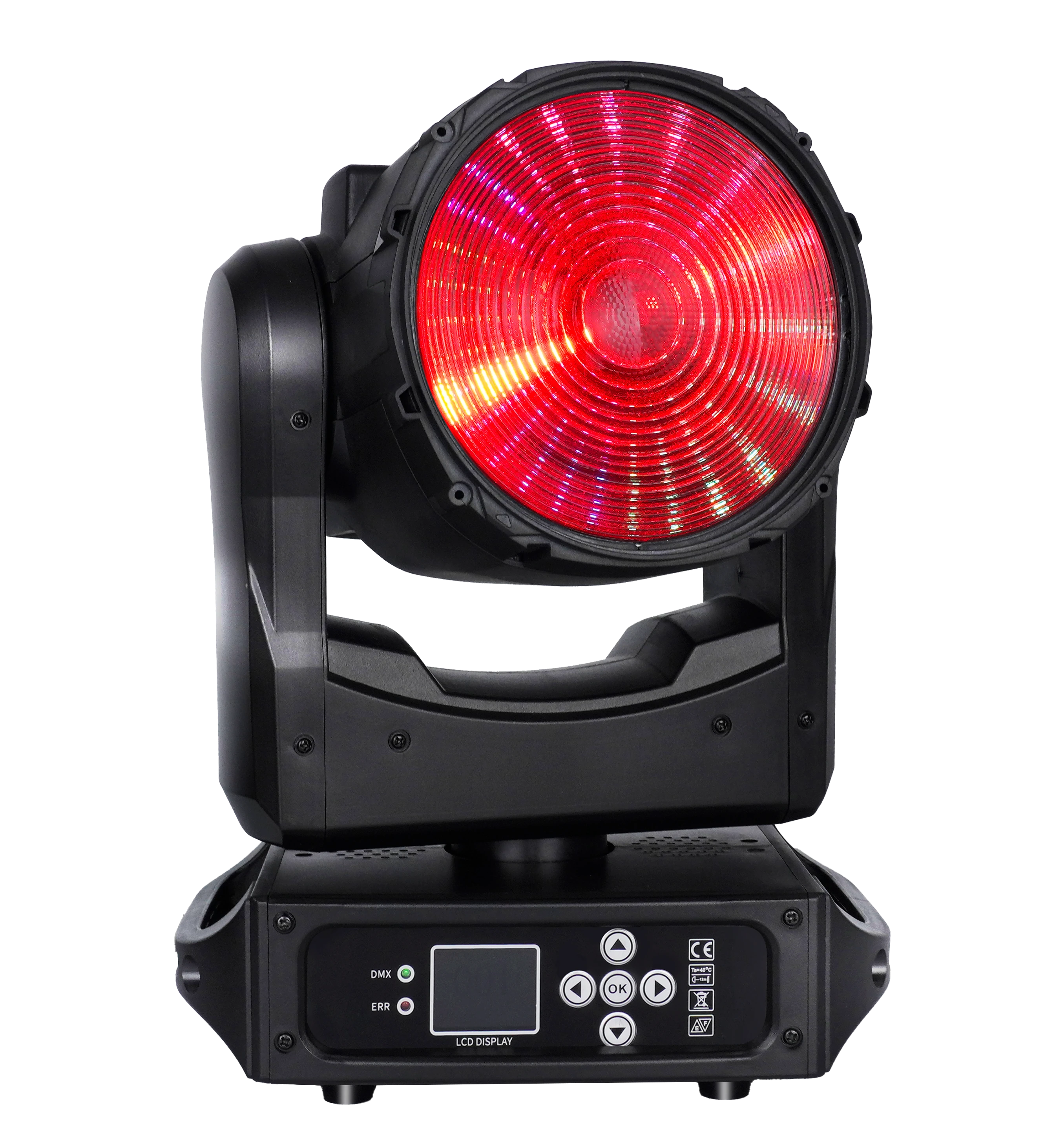
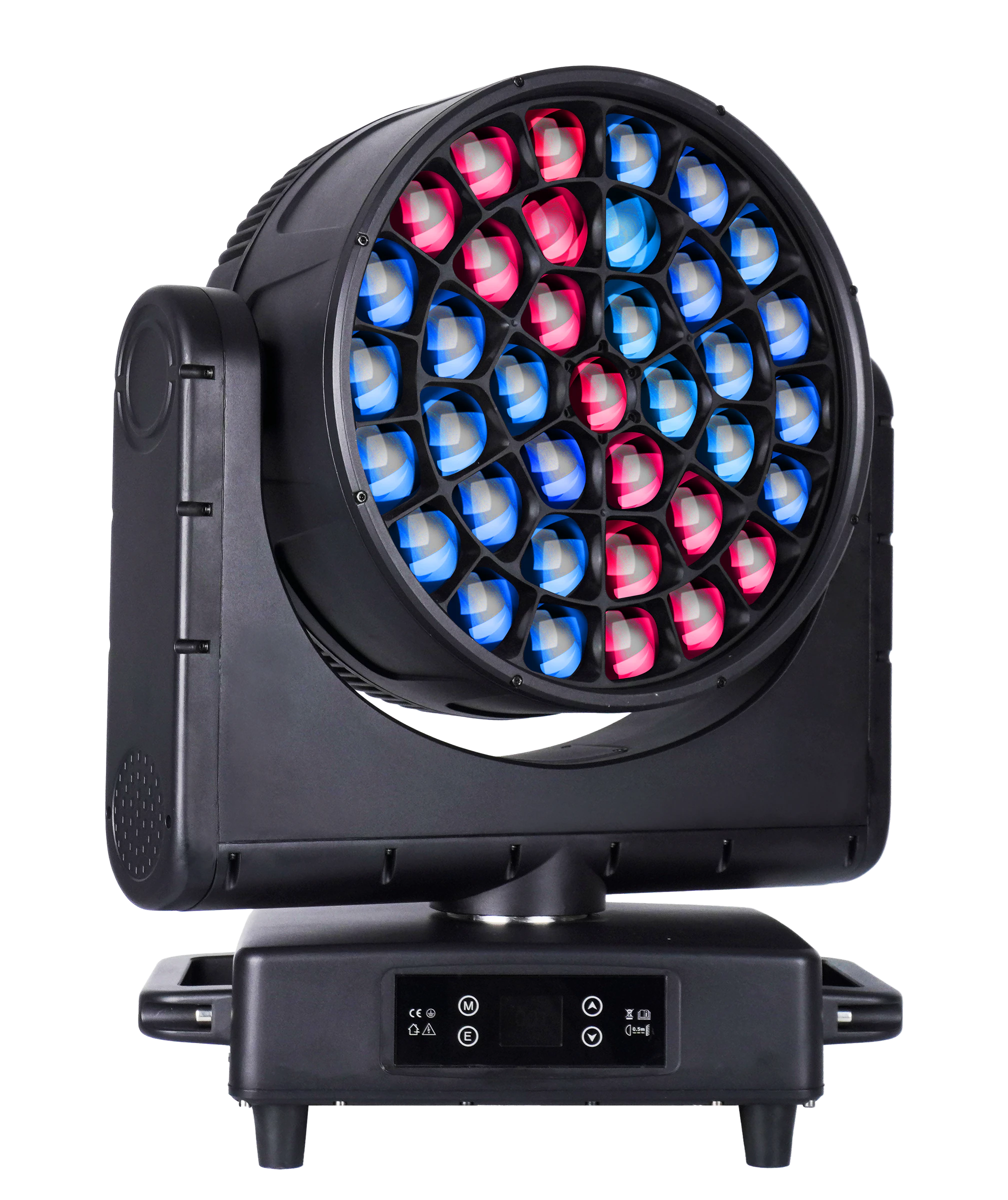
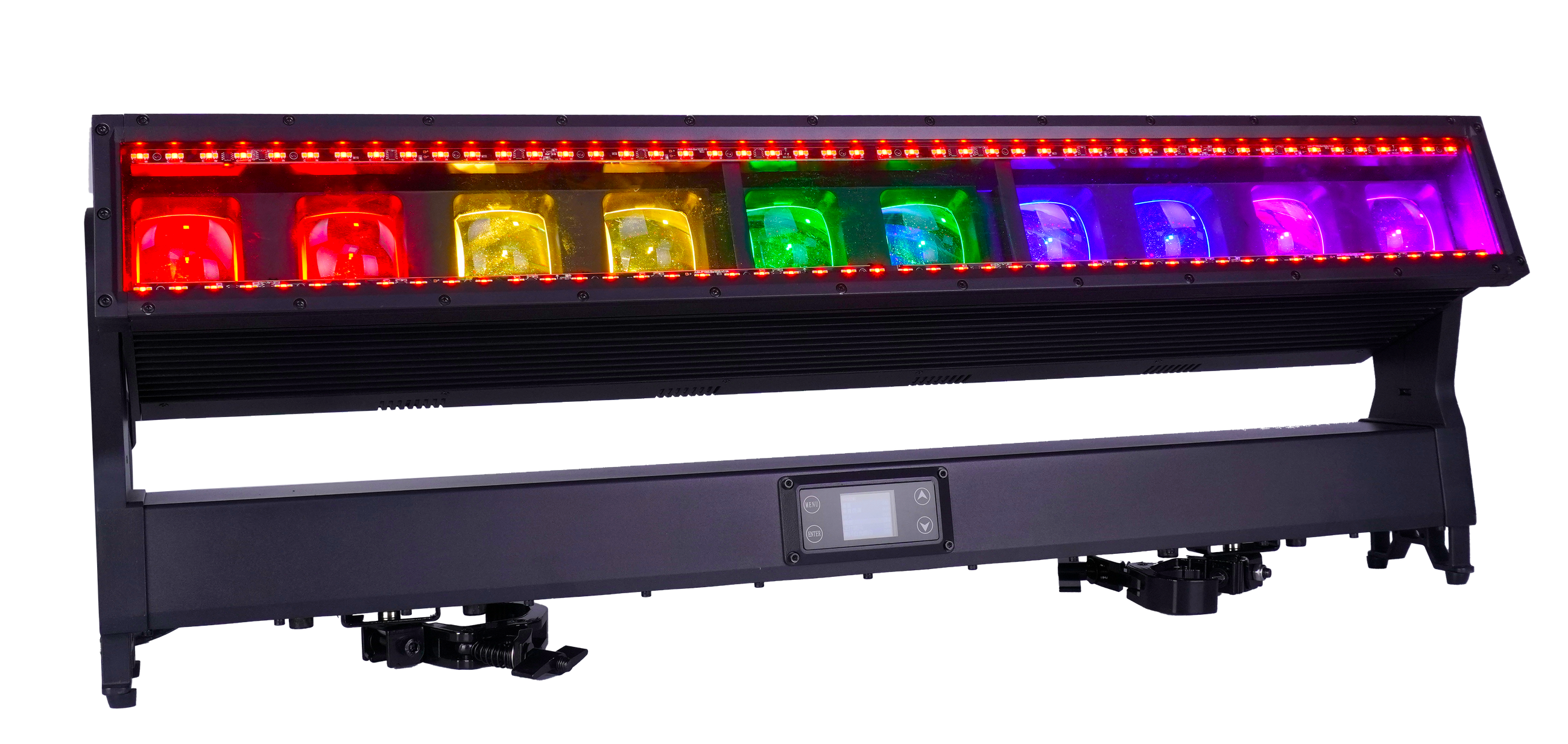
These current products illustrate different optical, mechanical and control architectures. We use the selected model or base platform to define the actual OEM or ODM scope.
Our team answers common questions about development scope, samples, firmware, technical files, packaging and project approval.
01Can AOLAIT develop a new stage lighting fixture from an initial idea?
Yes. We define the target application, market, quantity and functional priorities, then organize product definition, mechanical or control development, samples, testing and approval files for the selected OEM or ODM project.
02What is the difference between OEM and ODM stage lighting?
Our OEM projects normally start from an existing Aolait platform and cover branding, labels, packaging, documentation or selected configuration changes. Our ODM projects can extend into product definition, structure, optics, electronics, firmware and new functions. We define deliverables, tooling, approval stages, responsibilities and change control in the quotation.
03Which parts of a moving head light can be customized?
We customize selected branding, labels, housing details, LED and color-system requirements, lenses, zoom behavior, DMX modes, menus, macros, connectors, documentation, packaging and accessories. We lock the project scope through the quotation, approved sample, drawings, firmware and controlled documents.
04Can AOLAIT provide private label stage lighting products?
Yes. We support private-label product naming, logo placement, labels, packaging artwork, manuals and selected configuration work. Before production, we coordinate artwork, markings, carton information, document revisions and the approved product sample.
05What information is required before starting an OEM project?
A useful brief identifies the product type, application, market, expected quantity, target price position, required functions, LED or color-system direction, zoom or coverage needs, control protocols, appearance, branding, compliance requirements, timing and packaging. References can explain the objective, but the written brief should distinguish essential requirements from optional ideas.
06Does AOLAIT provide prototype development?
Yes. We build modified standard samples, visual prototypes, engineering samples or pilot units for projects with structural, optical, firmware or appearance changes. We plan timing around components, tooling, drawings, firmware and the sample-approval sequence.
07How does Aolait approve a custom moving head before mass production?
We check the approved product revision for visible output, color behavior, zoom, pixel control, movement, thermal behavior, DMX and firmware functions, connections, assembly, labels, documents and packing. The project documents define the acceptance criteria and retest plan.
08Can firmware and DMX channel modes be customized?
Yes. We develop channel layouts, dimmer behavior, menus, macros and fixture personalities for selected platforms. Our technical team coordinates the protocol, firmware revision, DMX chart and fixture profile for the approved sample.
09Are manuals, fixture libraries and technical documents available?
Yes. We provide model-specific datasheets, manuals, DMX charts, dimension drawings, labels, product media, packing information, firmware notes and available fixture files for the selected project.
10Can packaging and flight cases be customized?
Yes. We coordinate carton artwork, labels, protective packing, flight-case requirements, accessories and shipment instructions for the selected product and order. The project owner approves carton marks, product labels and accessories before release.
11What is the MOQ for an OEM or ODM stage-lighting project?
We do not publish one MOQ for every project. The practical quantity depends on the selected platform, engineering work, tooling, branding, packaging, components and destination requirements. We confirm the applicable quantity in the project quotation after reviewing the scope.
12How long does OEM or ODM development take?
Development timing depends on the base platform, drawing and tooling work, component availability, firmware depth, prototype rounds, testing and approval speed. We define milestones for the specific project instead of promising one fixed schedule for every fixture.
START YOUR PROJECT
Have a Stage Lighting Product Idea?
Share your target specification, application, quantity and market requirements. Our team will review technical feasibility and recommend the next development step.