Project definition
Separate OEM branding from ODM product development
The scope determines cost, lead time, project information, ownership and approval gates.
An OEM project may use an existing manufacturer platform with the specified brand, labels, manual, packaging and selected configuration options. An ODM project can involve deeper product, mechanical, optical, electronic or software changes. In practice, these terms are used differently across markets. The RFQ should list each requested change instead of assuming the label defines it.
Branding a standard housing is not the same as approving a new model for a destination market. Changes to LEDs, connectors, firmware, cooling, housing, seals, rigging, power supply or accessories may affect technical files, testing and compliance scope. Even a manual translation requires revision control so the shipped product and document describe the same controls and warnings.
| Layer | Examples | Approval project information |
|---|---|---|
| Commercial identity | Logo, model name, rating label and carton mark | Artwork proof and photographed sample |
| Documentation | Manual, DMX chart, datasheet and language | Controlled files with revision and model |
| Packaging | Carton, foam, flight case, accessories and labels | Packing sample and drop/handling criteria where agreed |
| Configuration | Connectors, firmware modes, color system or housing option | Technical check, sample and updated documents |
| Product development | Optical, mechanical, electronic or tooling change | Project plan, engineering validation and change control |
Use the AOLAIT OEM / ODM stage-lighting page to start with an explicit scope. A qualified quotation should say which requests are available, which need engineering check and which documents or tests remain open.
RFQ quality
Write the destination-market and application requirement before selecting a model
The same moving head may be evaluated differently for touring rental, theatre distribution, clubs or outdoor event supply.
Define project team type, destination countries, application, venue size, throw, rigging, environmental exposure, camera use, noise expectations, control system, power infrastructure, transport method and expected quantity. List required documents and compliance project information without assuming the supplier's standard package covers the market. Separate mandatory requirements from preferences.
A distributor may prioritize a clear manual, reliable profile package, product images, cartons and spare parts. A rental company may prioritize repeatability, cases, addressing, handling and rapid service. A system integrator may require drawings, fixed-installation connectors, control-network behavior and project documentation. The RFQ should reflect who must install, operate, sell and support the product.
Browse all AOLAIT professional lighting products and the focused LED Wash Moving Head manufacturer range only after the requirement is written. This prevents the catalogue from defining the project backwards.
- Application, project team type and destination market
- Required optical, color, control and environmental functions
- Power, connector, rigging and transport constraints
- Branding, manual, language and packing scope
- Required technical, compliance and inspection documents
- Sample quantity, production quantity and target schedule
- Warranty, spare-parts and escalation expectations
Due diligence
check the supplier process and the exact product project information separately
A capable factory does not make every catalogue value automatically approved, and one strong sample does not prove the production system.
Supplier check can cover legal identity, export experience, communication, document control, incoming inspection, assembly controls, function testing, nonconformity handling, calibration, packing and traceability. Product check covers the exact model, specification, drawing, manual, photometrics, DMX chart, firmware, sample, compliance project information and accessory set. Keep these two project information streams connected but distinct.
Document control
Treat the technical file as part of the product
A moving head cannot be sold, programmed or serviced responsibly from a marketing sheet alone.
Create a document register with owner, model, language, revision, approval status and destination. Typical items include datasheet, manual, DMX chart, fixture profile, firmware record, dimension drawing, photometrics, packing list, warranty, spare-parts list, label artwork and applicable compliance files. Missing categories should be listed openly rather than represented by empty buttons.
Compliance project information must match the model, construction, applicable requirements and destination. A logo in a manual is not the same as a report or certificate. If the project team requests CE, EMC, LVD, RoHS, IP or another item, define the exact project information and model coverage. Product changes after testing may require check. Do not state that an OEM product is certified until the approved document supports the claim.
| Status | Meaning | Project team action |
|---|---|---|
| Approved | Model and revision accepted for the order | Attach to purchase and inspection files |
| technical file | Useful for evaluation but contains open items | Resolve and replace before mass production |
Sample approval
Use a golden sample and controlled approval record
The approved sample must be more than a fixture marked OK.
Record the sample's model, serial, hardware revision, firmware, personality, profile, connectors, housing, labels, optics, accessories and packing. Attach the approved manual, DMX chart, drawing, artwork and test results. Photograph all sides, connection panels, labels, accessory set and carton. Sign and date the record with open deviations listed.
Test the sample through the specified application: optical positions, colors, dimming, camera settings, pan/tilt, effects, control protocols, addressing, reset, fan behavior and sustained operation. A product may pass a basic factory check yet fail the specified show workflow. Keep tests repeatable so production units can be compared later.
Use the LED wattage and configuration guide for optical-engine comparisons and the DMX channel planning guide for firmware/profile approval. These decisions should be frozen in the same golden-sample package.
Production governance
Require written change control after sample approval
Component availability and process improvements do not authorize silent changes to the approved product.
Define which changes require project approval: LED package, optics, drivers, power supply, PCB, motors, fans, seals, connectors, firmware, housing, labels, manuals, packing or accessories. A change request should explain the reason, affected orders, comparison project information, document updates and validation plan. The project team should respond in writing and keep the decision with the production record.
Not every supplier substitution has the same risk. A carton ink change may need artwork approval; an LED or optical change may require color and photometric testing; a firmware change may require DMX and profile regression. Define the consequence rather than using one generic approval step. If a change is urgent, do not let schedule pressure erase traceability.
Version control should cover the bill of materials or configuration identifier, firmware, manual, channel chart, artwork and inspection criteria. At pre-shipment inspection, the inspector should check that the released versions match the order. After shipment, service teams need the same revision information to order compatible parts and reproduce faults.
Order release
Link factory controls, burn-in and pre-shipment inspection
Production checks and project team inspection answer different questions and should share the same acceptance criteria.
Factory controls may include incoming checks, assembly inspections, functional tests, aging or burn-in, final inspection and packing coordination. Ask which checks are applied to every unit and which use sampling. Pre-shipment inspection then verifies the available lot against quantity, workmanship, function, consistency, labels, accessories, packing and documents. It should not be described as proof of lifetime or certification.
Shipment release project information
- 01Order identity
Purchase order, model, revision, quantity and destination.
- 02Production traceability
Lot, serial range, firmware and applicable inspection records.
- 03Nonconformity control
Failure project information, containment, corrective action and retest.
- 04Packing release
Accessories, labels, cartons/cases, marks and packing photos.
- 05Document release
Approved manual, DMX chart, files, warranty and shipping documents.
- 06Project team decision
Release, conditional release or hold with responsible approver.
Commercial durability
Agree warranty, spare parts and supplier scorecards before repeat orders
The first shipment is the start of product knowledge, not the end of procurement.
Define warranty scope, claim project information, response path, parts responsibility, repair authorization, freight and credit or replacement decisions. Confirm the available service documents and whether parts are identified by model revision. Build an initial spare-parts plan from quantity, application and service model instead of guessing a fixed percentage.
Track incoming defects, field failures, documentation errors, profile issues, parts lead time, corrective-action quality and communication. Separate product failure from damage, misuse, system configuration or unapproved service. Use the data to update incoming inspection, manuals, packing and the next order's acceptance criteria.
A supplier scorecard should include quality, on-time delivery, document accuracy, change notification, support and corrective action. Avoid false precision when the order volume is small. Discuss meaningful cases and project information with the supplier, then record agreed improvements for the next production cycle.
Conclusion
Control the product, documents and decisions as one OEM system
Professional OEM stage-lighting procurement is not a logo-placement exercise. It translates a market requirement into an approved model, document set, sample, artwork, packing and inspection plan. It also defines how changes, nonconformities, warranty and spare parts will be handled after the order.
The most reliable project team behavior is explicit: distinguish published facts from open items, approve the production revision and retain project information at every gate. That approach gives distributors, rental companies and system integrators a product they can sell, program, support and improve with less ambiguity.
RECOMMENDED PRODUCTS
Models to evaluate against your brief
We organize model-specific product facts and available technical files to support fixture comparison and project planning.
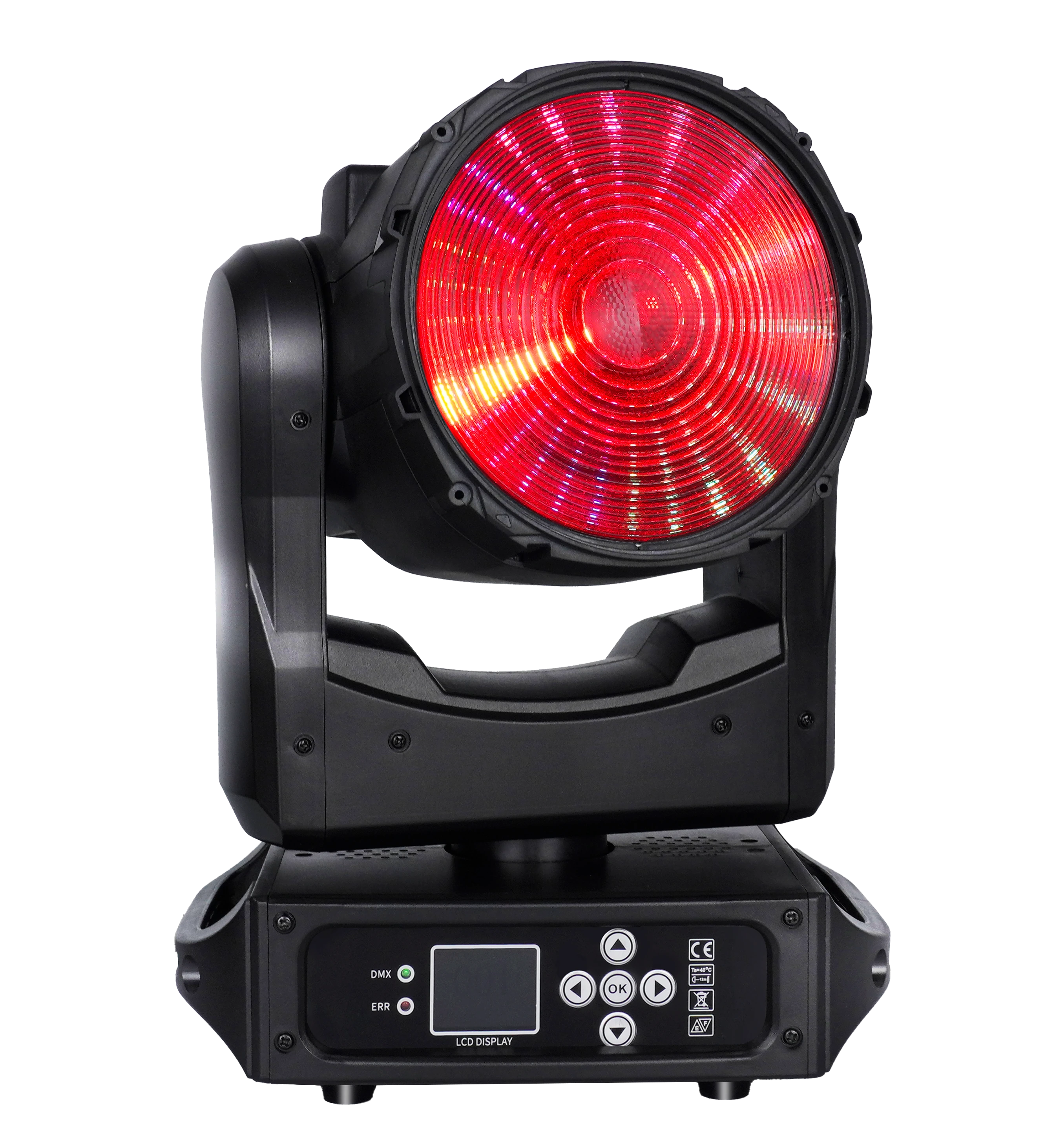
150W LED Wash ONE-effect Moving Head
A compact RGBL Zoom Wash platform with an auxiliary pixel array for color, DMX and product-development discussions.
- 150W RGBL
- 19°–27° zoom
- Five DMX personalities
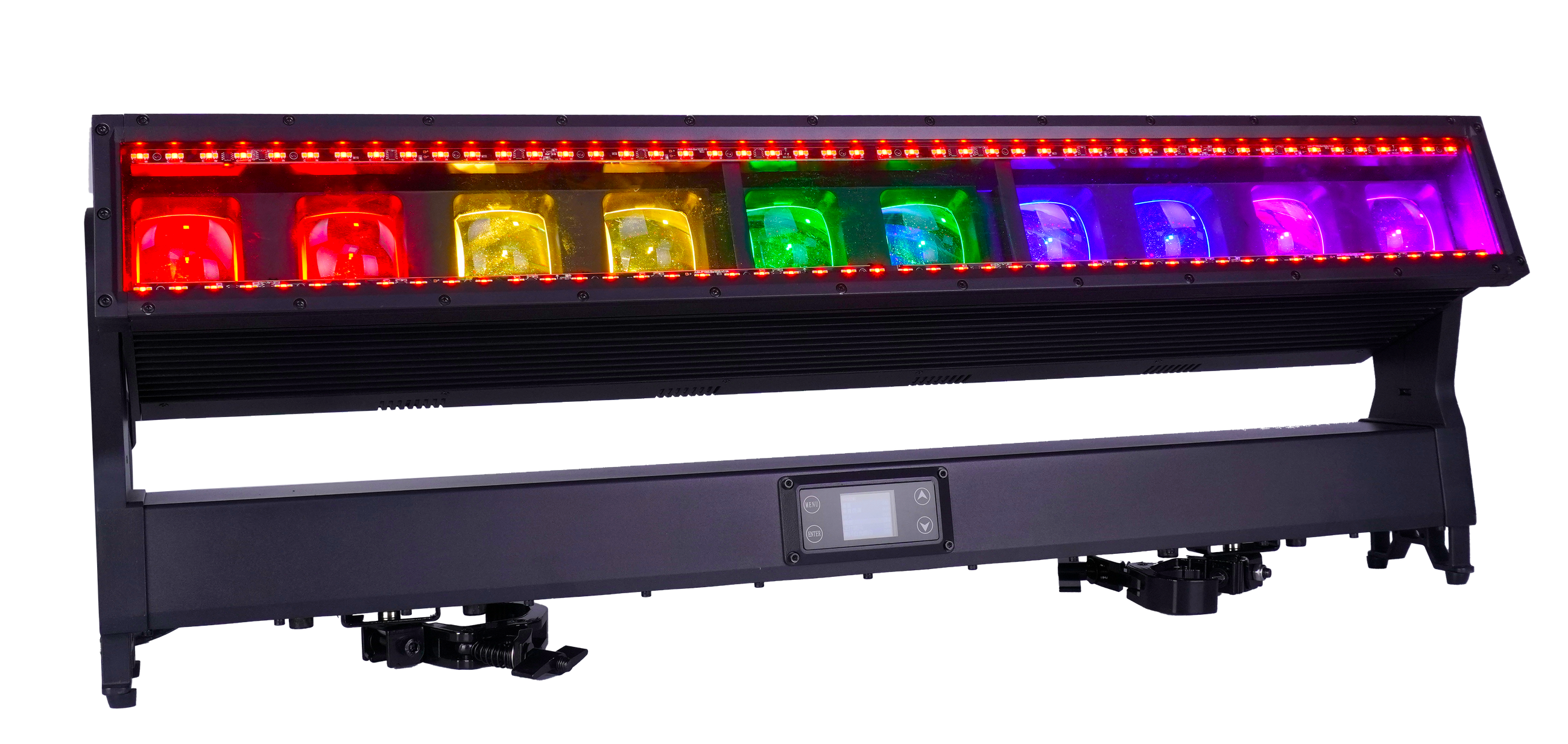
10×60W LED Moving Bar IP65
An IP65 linear Moving Bar platform with RGBW cells, separate auxiliary lines and extended control modes.
- 10 × 60W RGBW
- 5°–35° zoom
- IP65
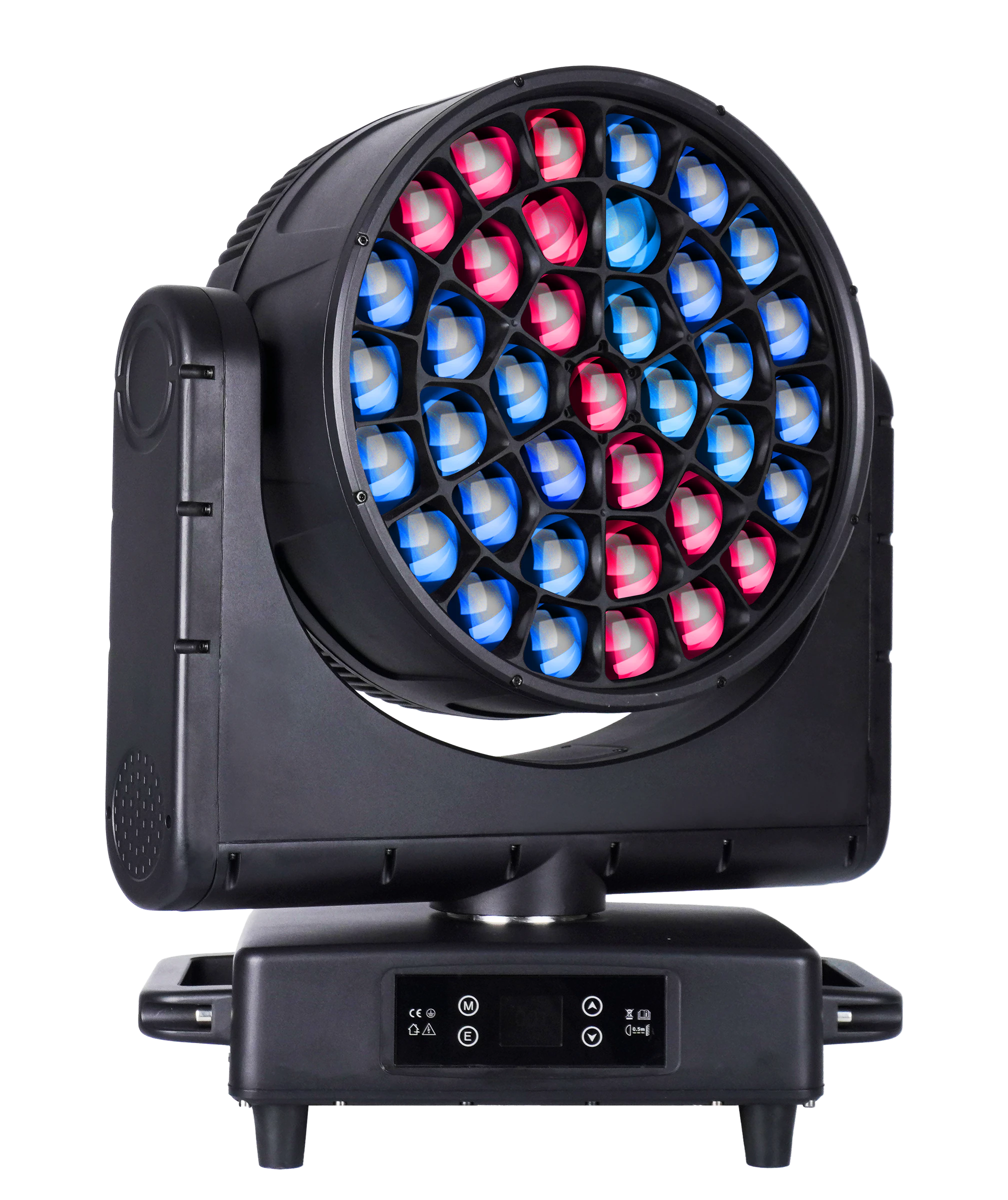
37×40W LED Bee Eye Moving Head
A thirty-seven-cell RGBW Bee Eye platform with motorized zoom and continuous rotating-lens effects.
- 37 × 40W RGBW
- 8°–48° zoom
- 21 / 22 / 35 / 36 / 111 / 148CH
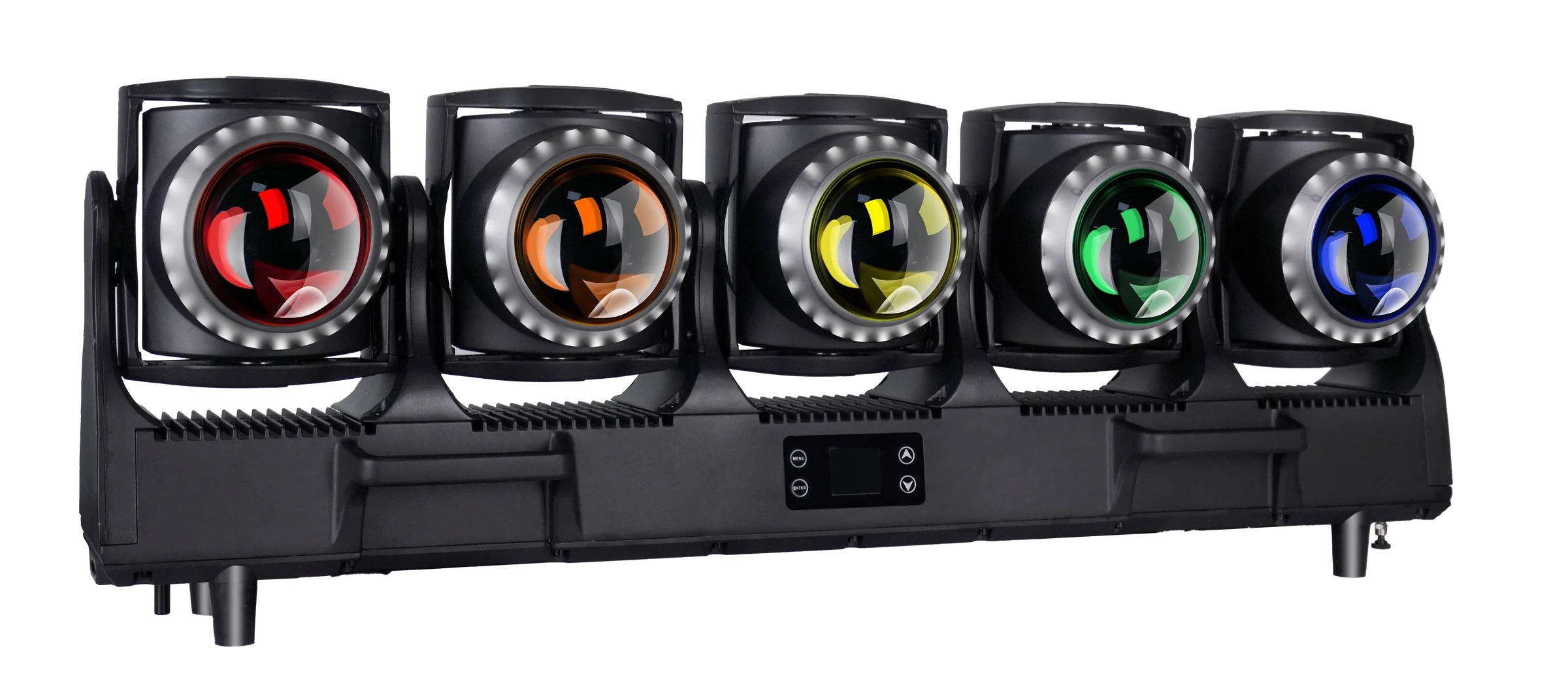
5×120W LED Tornado Waterproof
An IP-series five-head Tornado platform for outdoor-system, fleet and OEM configuration planning.
- 5 × 120W RGB + Lime
- 3.5°–45° zoom
- IP65
FREQUENTLY ASKED QUESTIONS