
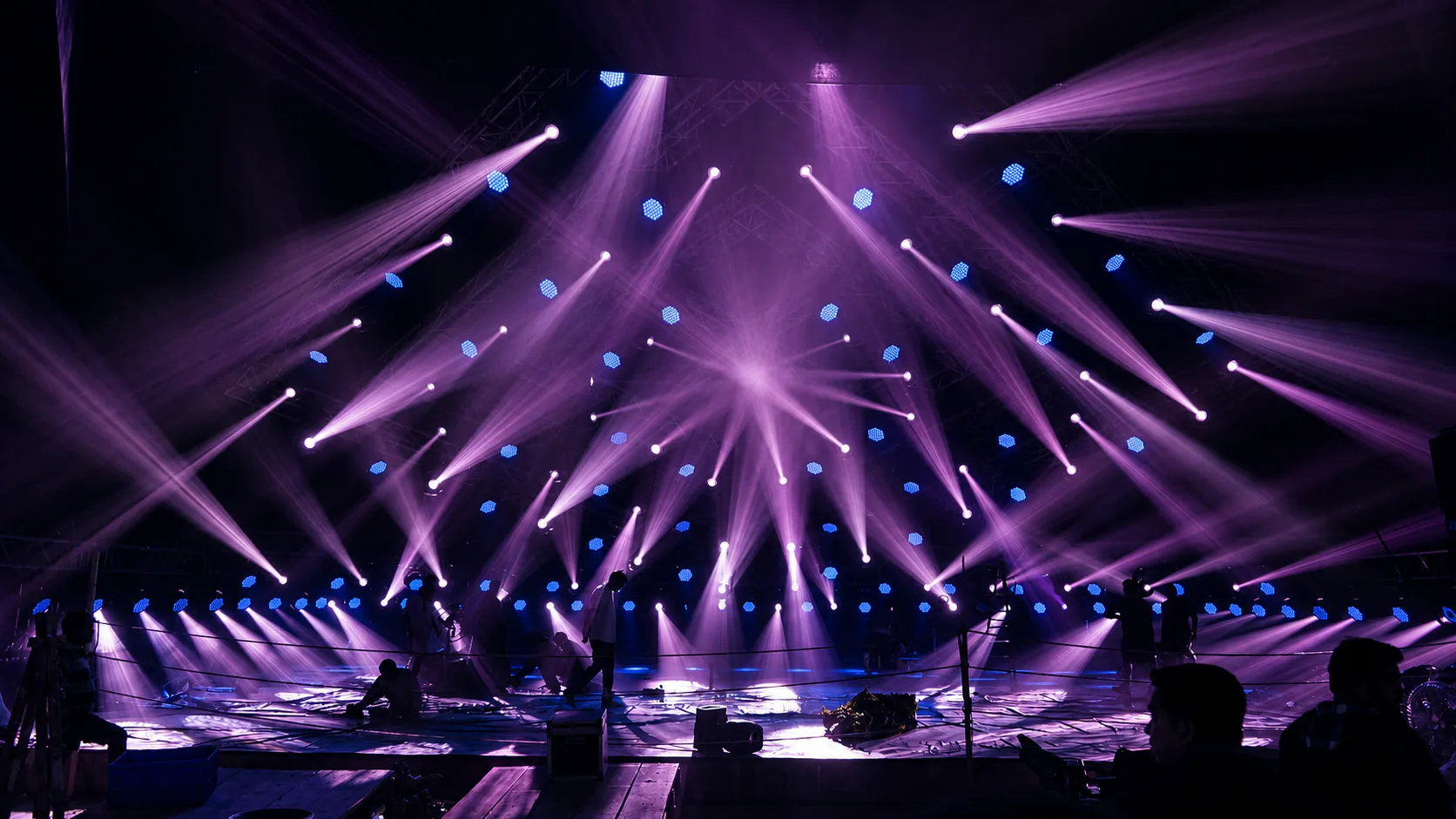
Start with the label
Nominal LED wattage describes components, not delivered light
A model name such as 19×50W or 37×40W is useful for orientation, but it is not a photometric result.
Multiplying cell count by nominal LED wattage produces a theoretical component figure, not the fixture's measured electrical draw or usable output. The LEDs may be driven below their nominal rating; optical losses, color mixing, lens efficiency, thermal limits and power-supply design all affect performance. Two fixtures with the same number printed in the model name can produce different beam shapes, color balance and sustained output.
For professional comparison, separate four numbers: the nominal rating of each LED package, the number of main cells, the fixture's documented maximum power consumption and the measured optical result. These values answer different questions. Component format suggests scale; maximum power affects distribution and operating cost; photometrics describe what arrives at the target; sustained testing shows whether the fixture remains stable during a realistic duty cycle.
| Value | Useful for | Does not prove |
|---|---|---|
| LED package wattage | Comparing the nominal class of each emitter | Drive level, efficiency, color output or lifetime |
| Cell count | Understanding optical-face format and possible zones | Independent control or total output |
| Maximum fixture power | Electrical planning and approximate thermal load | Photometric efficiency or color consistency |
| Photometric data | Comparing measured output at stated distance and angle | Fleet repeatability or long-term reliability |
| Sample test | Evaluating the complete fixture and workflow | Every production unit unless the lot is controlled and inspected |
Optical face
Cell count changes source size, zoning and audience-facing effects
Seven, nineteen and thirty-seven-cell fixtures can serve different rig positions even before wattage is considered.
A smaller cell count can support a compact fixture, lower transport weight or a distinctive large-lens appearance. More cells can create a larger emitting surface, finer ring or zone structures and a different balance between coverage and camera-facing pattern. None of these results is automatic. The lens diameter, spacing, control map and optical path determine whether additional cells become independent pixels, grouped rings or simply more sources driven together.
Ask for a zone diagram and current DMX table. A nineteen-cell product may offer whole-fixture control in a basic personality and individual cells only in an extended personality. A thirty-seven-cell model may be arranged in rings or patterns that affect the macro engine. If the project team's show depends on a specific chase, the requirement should name the controllable zones and expected mode rather than saying only that pixel control is required.
The ALP1980WX 19×80W LED Moving Head Wash Effect is a published example of a nineteen-cell platform with extended cell data, a separate halo layer and six DMX personalities. The AL3740WR 37×40W Bee Eye represents a larger catalogue cell format, but current article project information does not support additional optical or control claims for that model. Request the model-specific datasheet and channel chart before comparing their programming depth.
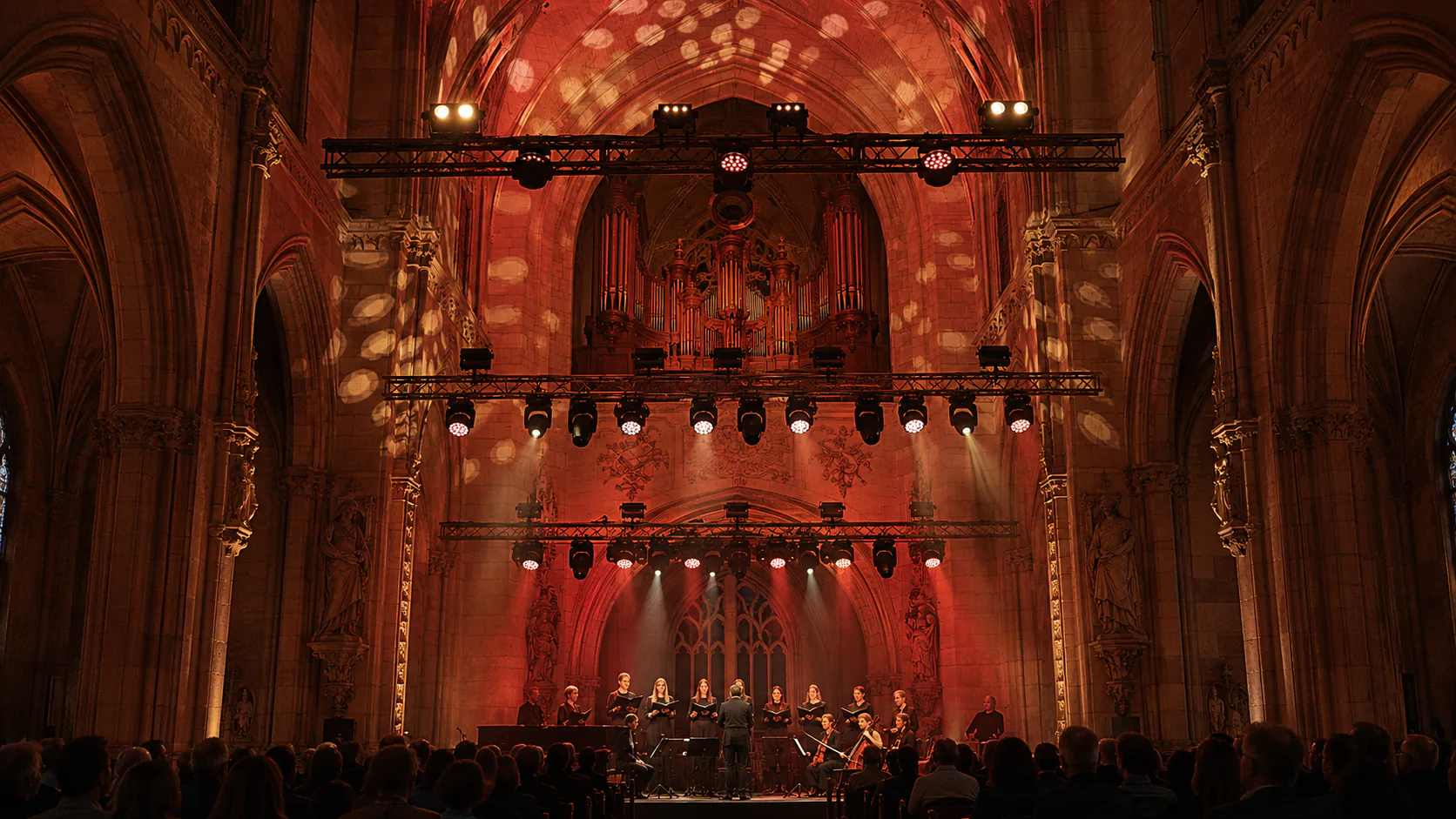
Usable output
Optics convert LED power into coverage, intensity and field quality
The correct optical question depends on whether the fixture must cover a surface or create a visible aerial look.
For wash work, compare the bright center, useful field, edge transition and color uniformity across the target area. For tighter or effect-oriented work, compare center intensity, beam diameter, focus and the behavior of individual cells. A wide zoom range can extend a fixture's usefulness, but the narrow and wide positions should each be measured. Do not assume that a wider maximum angle means the output remains even or sufficiently bright at that setting.
- Request beam and field definitions used in the report.
- Compare at the same distance and relevant zoom or focus settings.
- Evaluate white, saturated colors and mixed colors required by the application.
- Observe edge quality, color separation and lens-to-lens consistency.
- Repeat the test after the fixture reaches a stable operating condition.
Read the wash-versus-beam comparison when the project team is still deciding whether the application needs broad field coverage, tight aerial effects or a hybrid FX approach.
Color technology
The emitter mix must support the colors and whites the market expects
RGBW, RGBL and other multi-color systems cannot be ranked from the channel letters alone.
An RGBW engine includes a white emitter channel; an RGBL description indicates a lime component. Either approach can be useful, but the result depends on emitter selection, optical mixing, calibration and firmware. Ask which channels are physically present, how the DMX chart names them and whether the fixture offers calibrated whites or virtual color presets. Test skin tones, corporate colors, saturated hues and the specific camera workflow.
The detailed RGBL versus RGBW guide explains how to compare color behavior without treating one acronym as universally superior. For procurement, the practical test is whether the fixture reproduces the required show palette consistently across cells and units.
| Question | Project team project information |
|---|---|
| Which emitters are physically installed? | Corrected model-labelled hardware specification |
| How does the DMX chart label each channel? | Current firmware-specific channel table |
| Which whites and brand colors are required? | Sample cues and camera/surface comparison |
| Is color consistent across zoom and cells? | Side-by-side multi-unit test |
Engineering
Drive level and thermal design affect sustained performance
A fixture is a thermal and control system, not a static collection of LEDs.
LED junction temperature, heat-sink design, airflow, fan control and firmware protection influence how a moving head behaves during a long cue or warm venue. A high nominal package rating does not mean the fixture continuously drives every color at that level. Manufacturers may balance output, noise and component stress through current limits and temperature management.
Run a representative duty cycle rather than a short power-on demonstration. Record ambient conditions, fan mode, full-output and mixed-color cues, any reduction in output, error messages and noise changes. A thermal camera or calibrated measurements can help qualified engineers, but project teams should not publish internal temperatures as pass/fail limits unless the manufacturer supplies approved criteria.
The burn-in and aging-test guide shows how to define a powered screening sequence and records. Burn-in may reveal early or heat-related faults, but it does not prove LED lifetime, photometric maintenance or certification.
Real-world selection
Choose the configuration from throw, coverage, rig quantity and control budget
A useful specification converts the venue plan into a repeatable sample test.
Rental and touring
A rental company may prefer a versatile nineteen-cell zoom wash that can cover corporate stages, concerts and scenic positions. A high-power Bee Eye platform may earn its place when visible cells and effect layers create additional rental value. The final fleet should be sized from coverage and cue requirements, not from a goal to buy the highest nominal wattage available.
Theatre, worship and installations
Fixed and performance venues may value noise control, repeatable white, smooth dimming, manageable channel modes and service access more than maximum cell power. Confirm trim height, mounting position, camera use and the ability to reach each fixture for maintenance. A smaller configuration that produces the required field cleanly may be preferable to a larger unit with unused effects.
Clubs and audience-facing FX
Cell layout, halo layers and macros can be commercially important when the lens face is part of the show. Test at viewing distance and with the intended haze policy. Confirm whether the console team will program extended cells or rely on built-in effects, then calculate the universe requirement before choosing the fleet size.
Browse the professional lighting product range or compare the dedicated LED Wash Moving Head category to translate these application requirements into a manageable shortlist.
Approval
Use one scorecard for every shortlisted LED configuration
A repeatable professional comparison
- 01Define the job
Record surfaces, throw, trim, desired colors, camera conditions and audience-facing effects.
- 02Set electrical and control limits
Document circuit capacity, connectors, data transport, universe budget and required profiles.
- 03Request current model files
Collect datasheet, manual, photometrics, DMX chart, drawing, packing and destination-market project information.
- 04Test optical positions
Compare relevant zoom or focus settings at the intended distance using fixed control values.
- 05Run a sustained sequence
Observe output, fan behavior, movement, errors and recovery after realistic operation.
- 06Compare multiple units
Check color, alignment, noise, reset and cell behavior across a representative group.
- 07Lock the approved reference
Record model, firmware, personality, documents, photos and corrective actions with the order.
For private-label, documentation or packaging requirements, use the AOLAIT OEM / ODM stage-lighting workflow. It is easier to control LED configuration and product claims when the approved sample, manual, artwork and inspection plan share one revision.
Conclusion
Select the complete optical and operating system
LED wattage and cell count are effective catalogue filters, but they cannot replace photometrics, optical geometry, color evaluation, thermal behavior and control planning. A 19×50W, 19×80W or 37×40W label describes a format; the finished fixture must still prove that it covers the target, fits the rig, works with the console and remains consistent across the order.
RECOMMENDED PRODUCTS
Models to evaluate against your brief
We organize model-specific product facts and available technical files to support fixture comparison and project planning.
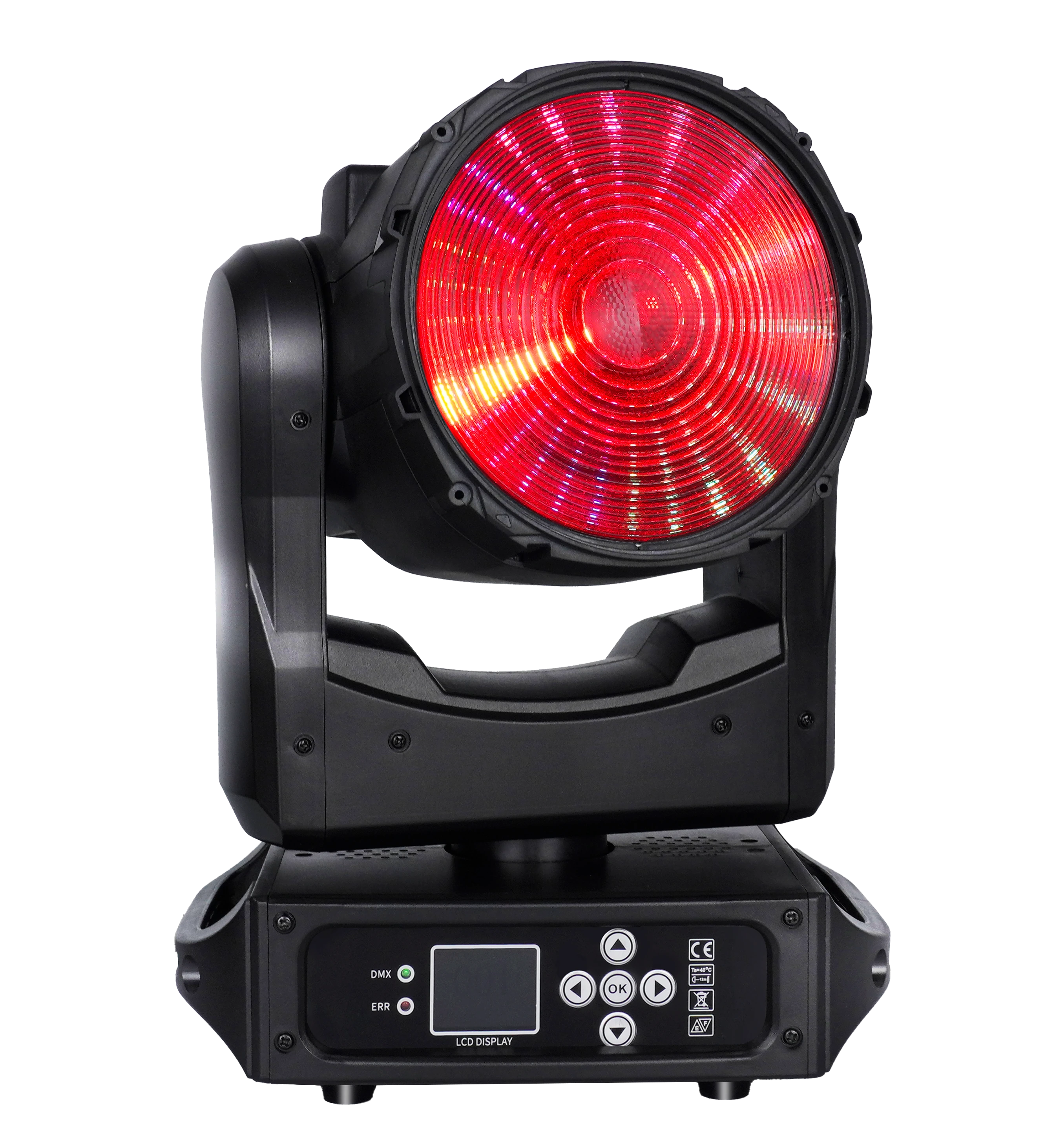
150W LED Wash ONE-effect Moving Head
A compact RGBL Zoom Wash platform with an auxiliary pixel array for color, DMX and product-development discussions.
- 150W RGBL
- 19°–27° zoom
- Five DMX personalities
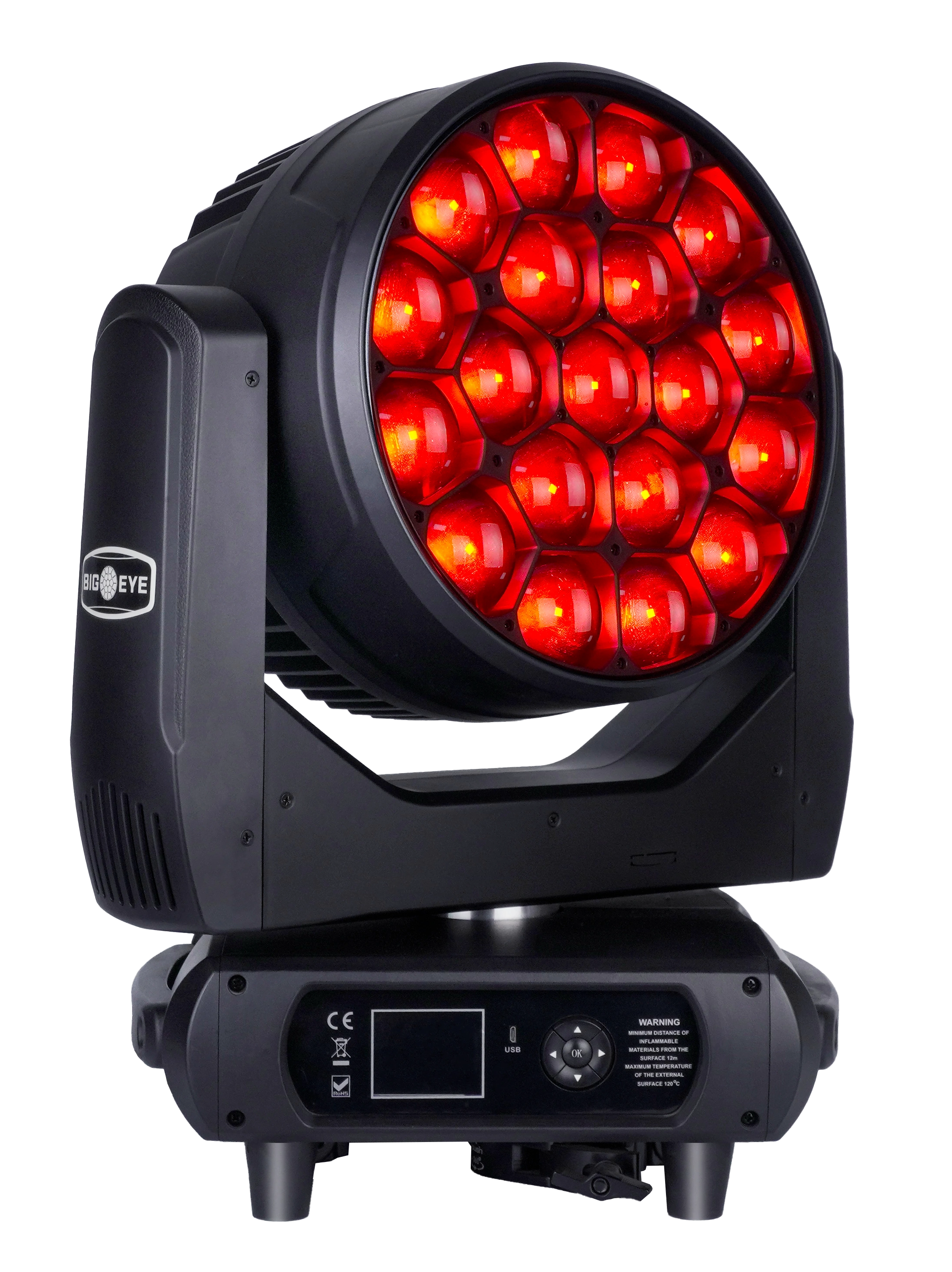
19×60W LED Super Bee Eye Moving Head
A higher-output nineteen-cell Super Bee Eye platform for comparing optical scale, movement and extended control.
- 19 × 60W RGBW
- Five DMX personalities
- 21.4 kg
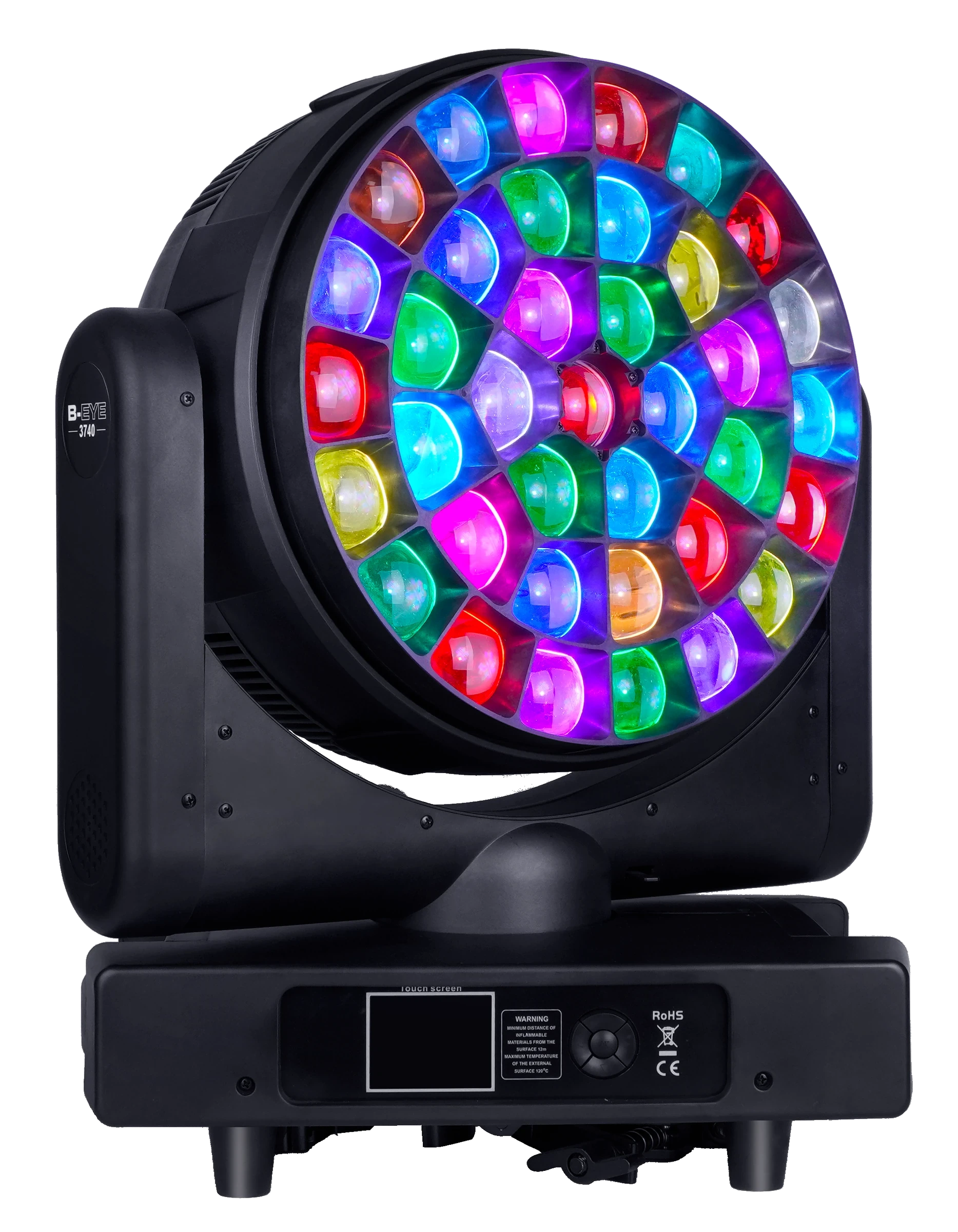
37×40W LED Bee Eye Moving Head
A thirty-seven-cell Bee Eye format for project teams comparing larger optical faces and effect-oriented fixture families.
- 37 × 40W catalogue designation
- Bee Eye format
- Request the current model datasheet
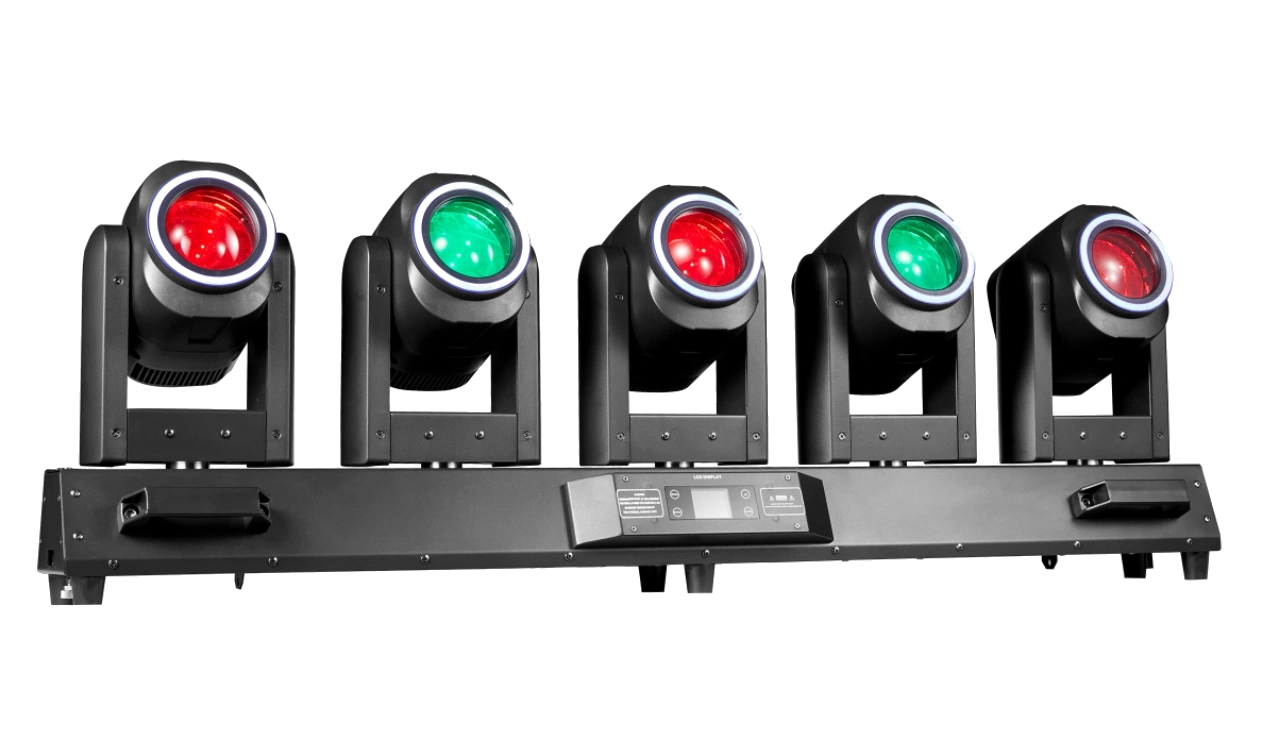
5×80W LED Tornado Moving Head
A five-head Tornado Wash FX platform with independently moving RGBW heads and aura rings.
- 5 × 80W RGBW
- Motorized focus
- 28CH to 88CH
FREQUENTLY ASKED QUESTIONS